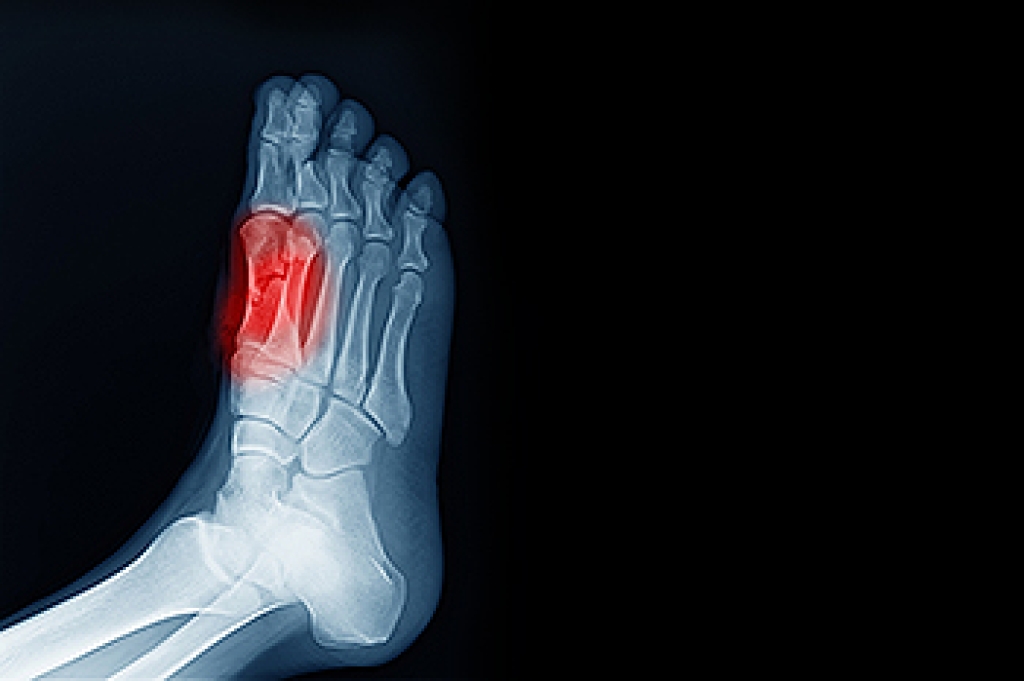
Types of Broken Toes

Broken toes can range from simple cracks in the bone to more severe fractures that involve joint displacement or multiple bone fragments. These injuries often result from sudden trauma, such as dropping a heavy object on the foot or forcefully striking a hard surface. Common symptoms include sharp pain, swelling, bruising, and difficulty walking, especially if pressure on the affected toe causes discomfort. A toe that appears crooked or shortened compared to its neighbors may indicate a displaced fracture or dislocation.  A podiatrist will typically perform a thorough foot exam and may use  X-rays to confirm the type and severity of the fracture. If the bone is misaligned or severely broken, surgery may be needed to restore proper toe position and prevent long-term complications. If you have broken a toe, it is suggested that you make an appointment with a podiatrist for an exam and suggested treatment options.

A broken toe can be very painful and lead to complications if not properly fixed. If you have any concerns about your feet, contact David Carmack, DPM from Texas. Our doctor will treat your foot and ankle needs.

What to Know About a Broken Toe

Although most people try to avoid foot trauma such as banging, stubbing, or dropping heavy objects on their feet, the unfortunate fact is that it is a common occurrence. Given the fact that toes are positioned in front of the feet, they typically sustain the brunt of such trauma. When trauma occurs to a toe, the result can be a painful break (fracture).

Symptoms of a Broken Toe

  • Throbbing pain
  • Swelling
  • Bruising on the skin and toenail
  • The inability to move the toe
  • Toe appears crooked or disfigured
  • Tingling or numbness in the toe

Generally, it is best to stay off of the injured toe with the affected foot elevated.

Severe toe fractures may be treated with a splint, cast, and in some cases, minor surgery. Due to its position and the pressure it endures with daily activity, future complications can occur if the big toe is not properly treated.

If you have any questions, please feel free to contact our office located in Marble Falls, TX . We offer the newest diagnostic and treatment technologies for all your foot care needs.

Read more about What to Know About a Broken Toe

How Rheumatoid Arthritis Can Influence Foot Health

Rheumatoid arthritis is an autoimmune condition that causes the body to mistakenly attack its own joints, and the feet are often among the first areas affected. Inflammation can lead to swelling, stiffness, and a deep aching sensation, particularly in the toes and the ball of the foot. Over time, the joints may shift or lose stability, making walking uncomfortable and sometimes altering the shape of the foot. Many individuals also notice warmth, tenderness, or difficulty standing for long periods. Because these changes can progress gradually, early attention is important to protect mobility and reduce strain on surrounding joints. Supportive footwear, gentle exercises, and timely care all help manage symptoms more comfortably. If you have persistent swelling, stiffness, or joint pain in the feet, it is suggested that you schedule an appointment with a podiatrist for further evaluation.

Because RA affects more than just your joints, including the joints in your feet and ankles, it is important to seek early diagnosis from your podiatrist if you feel like the pain in your feet might be caused by RA. For more information, contact David Carmack, DPM of Texas. Our doctor will assist you with all of your podiatric concerns.

What Is Rheumatoid Arthritis?

Rheumatoid Arthritis (RA) is an autoimmune disorder in which the body’s own immune system attacks the membranes surrounding the joints. Inflammation of the lining and eventually the destruction of the joint’s cartilage and bone occur, causing severe pain and immobility.

Rheumatoid Arthritis of the Feet

Although RA usually attacks multiple bones and joints throughout the entire body, almost 90 percent of cases result in pain in the foot or ankle area.

Symptoms

  • Swelling and pain in the feet
  • Stiffness in the feet
  • Pain on the ball or sole of feet
  • Joint shift and deformation

Diagnosis

Quick diagnosis of RA in the feet is important so that the podiatrist can treat the area effectively. Your doctor will ask you about your medical history, occupation, and lifestyle to determine the origin of the condition. Rheumatoid Factor tests help to determine if someone is affected by the disease.

If you have any questions, please feel free to contact our office located in Marble Falls, TX . We offer the newest diagnostic and treatment technologies for all your foot care needs.

Read more about Rheumatoid Arthritis in the Feet

The Connection Between Ballet and Achilles Tendon Changes

Ballet places constant pressure on the Achilles tendon, often leading to changes in its internal structure. Studies show a decrease in echo type I fibers, which represent healthy, organized tendon tissue, and an increase in echo type II fibers, which indicate early degeneration and reduced tendon strength. These shifts occur due to repetitive pointe work, jumps, and extreme foot positions that strain the tendon over time. A podiatrist can evaluate tendon health, provide targeted treatments, guide dancers in proper technique, and recommend supportive therapy to prevent further injury. If you are a dancer experiencing tendon pain or stiffness, it is suggested that you schedule a visit with a podiatrist to protect your performance and maintain long-term foot and ankle health.

Achilles tendon injuries need immediate attention to avoid future complications. If you have any concerns, contact David Carmack, DPM of Texas. Our doctor can provide the care you need to keep you pain-free and on your feet.

What Is the Achilles Tendon?

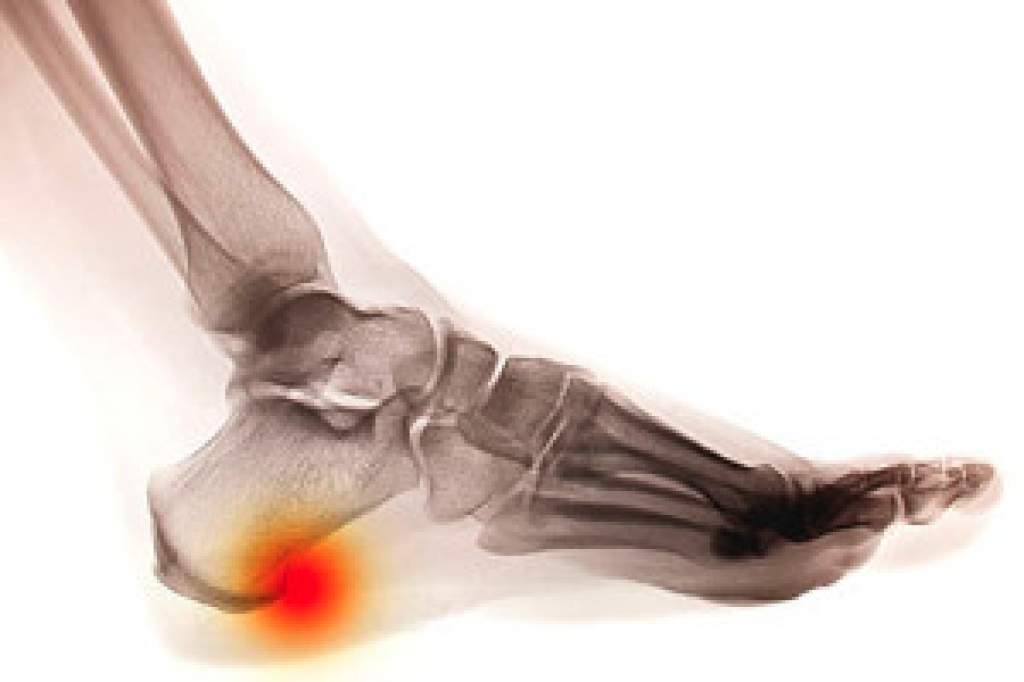
The Achilles tendon is a tendon that connects the lower leg muscles and calf to the heel of the foot. It is the strongest tendon in the human body and is essential for making movement possible. Because this tendon is such an integral part of the body, any injuries to it can create immense difficulties and should immediately be presented to a doctor.

What Are the Symptoms of an Achilles Tendon Injury?

There are various types of injuries that can affect the Achilles tendon. The two most common injuries are Achilles tendinitis and ruptures of the tendon.

Achilles Tendinitis Symptoms

  • Inflammation
  • Dull to severe pain
  • Increased blood flow to the tendon
  • Thickening of the tendon

Rupture Symptoms

  • Extreme pain and swelling in the foot
  • Total immobility

Treatment and Prevention

Achilles tendon injuries are diagnosed by a thorough physical evaluation, which can include an MRI. Treatment involves rest, physical therapy, and in some cases, surgery. However, various preventative measures can be taken to avoid these injuries, such as:

  • Thorough stretching of the tendon before and after exercise
  • Strengthening exercises like calf raises, squats, leg curls, leg extensions, leg raises, lunges, and leg presses

If you have any questions please feel free to contact our office located in Marble Falls, TX . We offer the newest diagnostic tools and technology to treat your foot and ankle needs.

Read more about Achilles Tendon Injuries

We Can Treat Your Foot or Ankle Pain

Foot or ankle pain can negatively affect your day-to-day life and can occur due to several different conditions. Pain can also be an indicator of a more serious underlying condition, which is why you should seek professional help as soon as you notice any abnormalities in your feet.

How to Tell if My Toe Pain Is Gout

Pain in the big toe can be a sign of gout, a type of arthritis caused by the buildup of uric acid crystals within the joint. When this acid accumulates faster than the body can eliminate it, sharp crystals form around the base of the big toe, known as the metatarsophalangeal, or MTP, joint. A gout flare-up often appears suddenly, producing intense pain, swelling, redness, and warmth in the MTP joint. It can become so tender that even light contact from a bedsheet feels painful. Repeated episodes can damage joint tissues and lead to visible lumps called tophi, which form beneath the skin near the toe or ankle. A podiatrist can examine your foot, order imaging tests or joint fluid analysis, and recommend a treatment plan to reduce pain and protect long-term joint health. If you have flare-ups of big toe pain, it is suggested that you schedule an appointment with a podiatrist for a diagnosis and appropriate treatment options.

Gout is a foot condition that requires certain treatment and care. If you are seeking treatment, contact David Carmack, DPM from Texas. Our doctor will treat your foot and ankle needs.

What Is Gout?

Gout is a type of arthritis caused by a buildup of uric acid in the bloodstream. It often develops in the foot, especially the big toe area, although it can manifest in other parts of the body as well. Gout can make walking and standing very painful and is especially common in diabetics and the obese.

People typically get gout because of a poor diet. Genetic predisposition is also a factor. The children of parents who have had gout frequently have a chance of developing it themselves.

Gout can easily be identified by redness and inflammation of the big toe and the surrounding areas of the foot. Other symptoms include extreme fatigue, joint pain, and running high fevers. Sometimes corticosteroid drugs can be prescribed to treat gout, but the best way to combat this disease is to get more exercise and eat a better diet.

If you have any questions, please feel free to contact our office located in Marble Falls, TX . We offer the newest diagnostic and treatment technologies for all your foot care needs.

Read more about Everything You Need to Know About Gout

Connect With Us