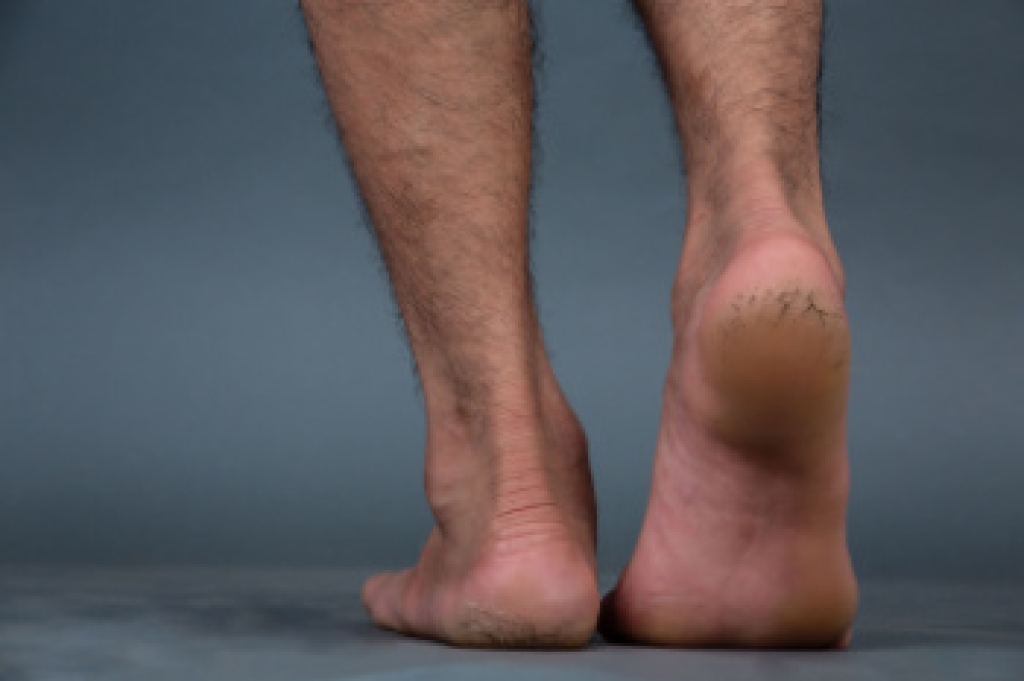
Cracked Heels and How to Heal Them

Heel fissures, or cracks in the skin around the heel, are a common problem that can cause pain and bleeding if left untreated. They often develop when the skin becomes dry, thick, or callused, and the pressure from walking causes it to split. Standing for long hours, wearing open-back shoes, being overweight, or having skin conditions such as eczema can make heel fissures worse. Treatment typically involves softening and moisturizing the skin with thick emollient creams or heel balms that contain urea or lactic acid. Having hard skin removed, and, in severe cases, having the heels bandaged can help. If heel fissures are painful, deep, or showing signs of infection, it is suggested that you see a podiatrist for an evaluation and professional care, which may include prescribed medication for relief.

If the skin on your feet starts to crack, you may want to see a podiatrist to find treatment. If you have any concerns, contact David Carmack, DPM from Texas. Our doctor can provide the care you need to keep you pain-free and on your feet.

Cracked Heels

It is important to moisturize your cracked heels in order to prevent pain, bleeding, and infection. The reason cracked heels form is because the skin on the foot is too dry to support the immense pressure placed on them. When the foot expands, the dry skin on the foot begins to split.

Ways to Help Heal Them

  • Invest in a good foot cream
  • Try Using Petroleum Jelly
  • Ease up on Soaps
  • Drink Plenty of Water

Ways to Prevent Cracked Heels

  • Moisturize After Showering
  • Skip a Shower
  • Keep Shower Water Lukewarm
  • Don’t Scrub Your Feet

If you are unsure how to proceed in treating cracked heels, seek guidance from a podiatrist. Your doctor will help you with any questions or information you may need. 

If you have any questions, please feel free to contact our office located in Marble Falls, TX . We offer the newest diagnostic and treatment technologies for all your foot care needs.

Read more about Solutions for Cracked Heels

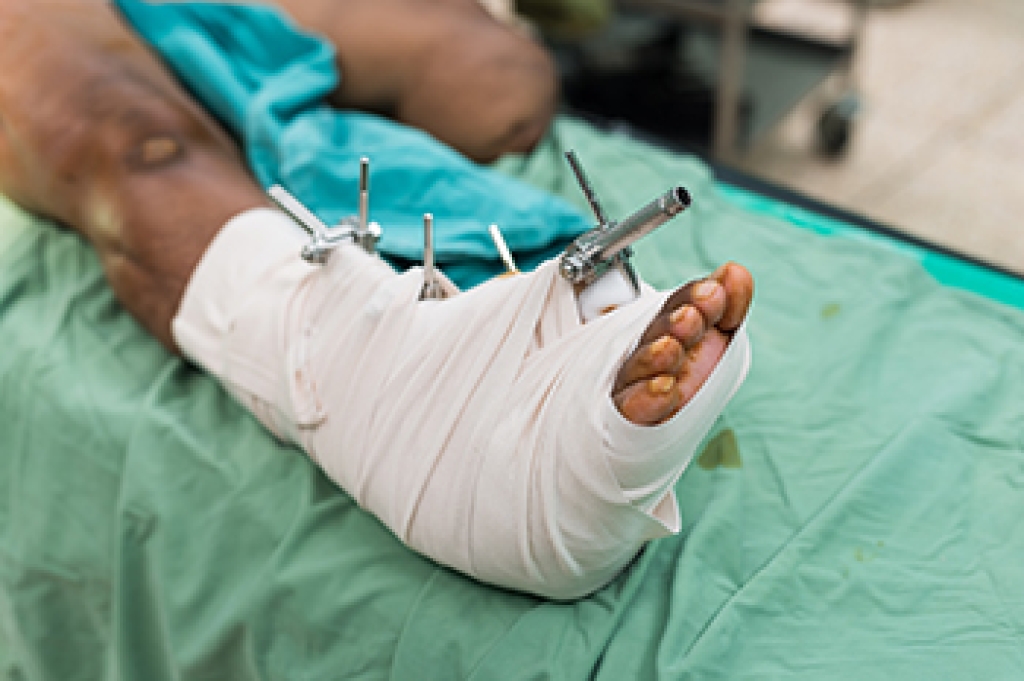
Benefits of External Fixators for Ankle and Foot Injuries

External fixators play a vital role in treating ankle and foot injuries by providing stability from a biomechanical perspective. External fixators are special devices that help treat serious ankle and foot injuries. They work like an outside frame, using pins and rods to keep broken bones steady and in the right position. By holding the bones still, the fixator takes pressure off the injured area, prevents harmful movement, and gives the foot a better chance to heal. This support also helps keep the joints balanced so patients can move more normally once recovery begins. A podiatrist carefully places the fixator and monitors the healing process. They guide rehabilitation to restore strength, flexibility, and mobility while lowering the risk of problems. With this expert care, patients can safely return to daily activities with more confidence. If you are dealing with an ankle or foot injury, it is suggested that you see a podiatrist to find out if external fixation is the right treatment for you.

Foot surgery is sometimes necessary to treat a foot ailment. To learn more, contact David Carmack, DPM of Texas. Our doctor will assist you with all of your foot and ankle needs.

When Is Surgery Necessary?

Foot and ankle surgery is generally reserved for cases in which less invasive, conservative procedures have failed to alleviate the problem. Some of the cases in which surgery may be necessary include:

  • Removing foot deformities like bunions and bone spurs
  • Severe arthritis that has caused bone issues
  • Cosmetic reconstruction

What Types of Surgery Are There?

The type of surgery you receive will depend on the nature of the problem you have. Some of the possible surgeries include:

  • Bunionectomy for painful bunions
  • Surgical fusion for realignment of bones
  • Neuropathy decompression surgery to treat nerve damage

Benefits of Surgery

Although surgery is usually a last resort, it can provide more complete pain relief compared to non-surgical methods and may allow you to finally resume full activity.

Surgical techniques have also become increasingly sophisticated. Techniques like endoscopic surgery allow for smaller incisions and faster recovery times.

If you have any questions, please feel free to contact our office located in Marble Falls, TX . We offer the newest diagnostic and treatment technologies for all your foot care needs.

Read more about Foot Surgery

Get Professional Care for a Broken Foot or Ankle

Constant care and regular evaluation are important for a foot or ankle fracture. If left untreated, foot or ankle fractures can worsen over time and create more serious problems.

Don't wait to be examined if you believe you've experienced a foot or ankle fracture.

Unwanted Visitors on Your Feet

Plantar warts are small, rough growths that appear on the soles of the feet and are caused by the human papillomavirus, or HPV. They often develop in areas of pressure, such as the heel or ball of the foot, and may look like a thickened, callused patch of skin with tiny black dots in the center. Symptoms include pain or discomfort when walking or standing, tenderness, and sometimes itching. Plantar warts can be contagious and spread through direct contact with contaminated surfaces, such as public showers or swimming pools. A podiatrist can diagnose plantar warts through a physical exam and may perform tests to confirm the diagnosis. Treatment options include topical medications, cryotherapy, or minor surgical removal. Early treatment can prevent the warts from spreading or worsening. It is suggested that you make an appointment with a podiatrist to receive an accurate diagnosis and effective treatment for plantar warts.

Plantar warts can be very uncomfortable. If you need your feet checked, contact David Carmack, DPM from Texas. Our doctor will assist you with all of your foot and ankle needs.

About Plantar Warts

Plantar warts are the result of HPV, or human papillomavirus, getting into open wounds on the feet. They are mostly found on the heels or balls of the feet.

While plantar warts are generally harmless, those experiencing excessive pain or those suffering from diabetes or a compromised immune system require immediate medical care. Plantar warts are easily diagnosed, usually through scraping off a bit of rough skin or by getting a biopsy.

Symptoms

  • Lesions on the bottom of your feet, usually rough and grainy
  • Hard or thick callused spots
  • Wart seeds, which are small clotted blood vessels that look like little black spots
  • Pain, discomfort, or tenderness of your feet when walking or standing

Treatment

  • Freezing
  • Electric tool removal
  • Laser Treatment
  • Topical Creams (prescription only)
  • Over-the-counter medications

To help prevent developing plantar warts, avoid walking barefoot over abrasive surfaces that can cause cuts or wounds for HPV to get into. Avoiding direct contact with other warts, as well as not picking or rubbing existing warts, can help prevent the further spread of plantar warts. However, if you think you have developed plantar warts, speak to your podiatrist. He or she can diagnose the warts on your feet and recommend the appropriate treatment options.

If you have any questions, please feel free to contact our office located in Marble Falls, TX . We offer the newest diagnostic and treatment technologies for all your foot care needs.
Read more about What Are Plantar Warts?

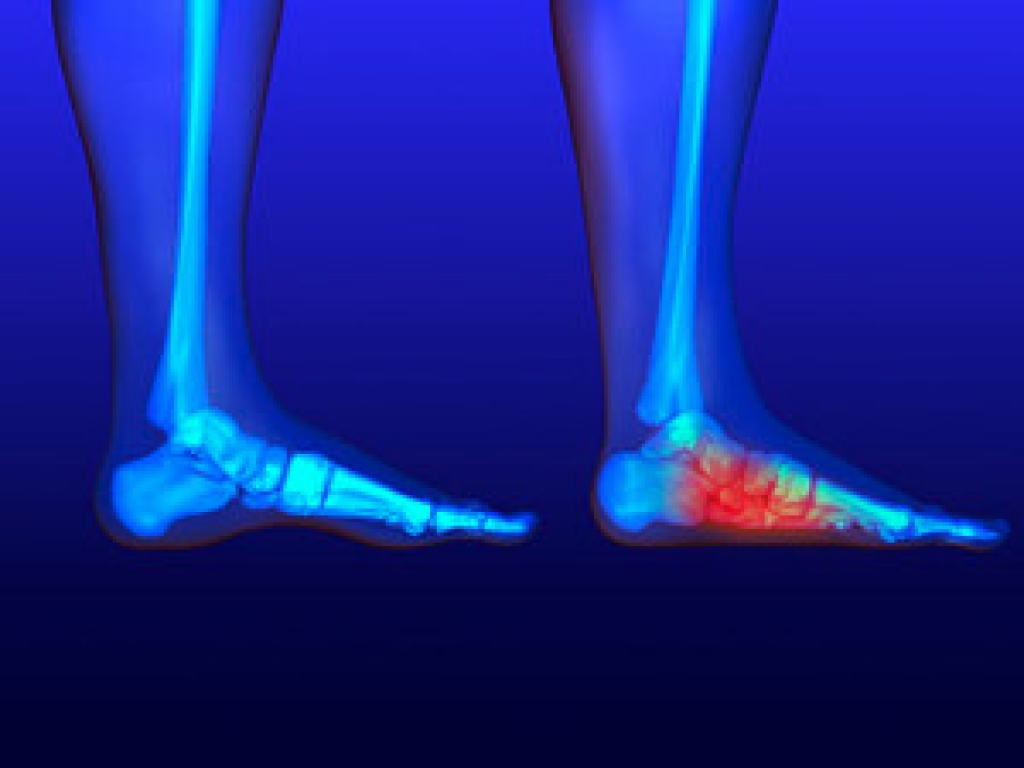
What Can Cause Flat Feet?

When the foot lies completely on the floor while standing barefoot, it may indicate a condition known as pes planus, or flat feet. The gap that is normally found between the arch and floor is nonexistent, which may affect the natural gait. Flat feet can occur from genetic reasons or possibly from an injury. In addition, certain medical conditions may cause flat feet to develop. These include cerebral palsy, diabetes, or obesity, which may affect the nerves. Symptoms typically associated with flat feet include pain in the heel and arch area, foot fatigue, and difficulty stand for long periods. A podiatrist can prescribe custom orthotics for arch support, along with stretches that can help to strengthen the feet. If you have flat feet that are causing problems, it is suggested that you make an appointment with a podiatrist for a exam and treatment options.

Flatfoot is a condition many people suffer from. If you have flat feet, contact David Carmack, DPM from Texas. Our doctor will treat your foot and ankle needs.

What Are Flat Feet?

Flatfoot is a condition in which the arch of the foot is depressed and the sole of the foot is almost completely in contact with the ground. About 20-30% of the population generally has flat feet because their arches never formed during growth.

Conditions & Problems:

Having flat feet makes it difficult to run or walk because of the stress placed on the ankles.

Alignment – The general alignment of your legs can be disrupted, because the ankles move inward which can cause major discomfort.

Knees – If you have complications with your knees, flat feet can be a contributor to arthritis in that area.  

Symptoms

  • Pain around the heel or arch area
  • Trouble standing on the tip toe
  • Swelling around the inside of the ankle
  • Flat look to one or both feet
  • Having your shoes feel uneven when worn

Treatment

If you are experiencing pain and stress on the foot you may weaken the posterior tibial tendon, which runs around the inside of the ankle. 

If you have any questions, please feel free to contact our office located in Marble Falls, TX . We offer the newest diagnostic and treatment technologies for all your foot care needs.

Read more about Flat Feet

Connect With Us