
Athlete’s Foot Symptoms and Risk Factors

Athlete's foot, a prevalent fungal infection, predominantly affects the feet, with the skin between the toes being especially vulnerable. Athlete's foot is caused by various fungi, with the most common being trichophyton, which thrives in warm, humid environments. Athlete’s foot infections result in a moist, itchy, red, or flaky rash between the toes. Other symptoms are cracked, scaly, or peeling skin and stinging and burning sensations on cracked skin. Itchy blisters that form may burst and leave scales, and result in a dry, scaly rash on the soles and up the sides of the foot. If left untreated, athlete's foot can progress to more severe stages, with symptoms such as bleeding from cracked skin and white, soggy skin in toe webbing. An unpleasant odor, oozing blisters, and pain in affected areas can occur. Thickened, crumbly, or discolored toenails may develop if the fungus spreads. Transmission occurs through contaminated floors in shared spaces like showers and changing rooms, as well as in socks, clothing, and used towels. Prevention involves practicing good foot hygiene, wearing well-ventilated shoes, and avoiding walking barefoot in communal areas. For a severe case of athlete’s foot, it is suggested that you schedule an appointment with a podiatrist for advanced treatment.

Athlete’s foot is an inconvenient condition that can be easily reduced with the proper treatment. If you have any concerns about your feet and ankles, contact David Carmack, DPM from Texas.  Our doctor will treat your foot and ankle needs.

Athlete’s Foot: The Sole Story

Athlete's foot, also known as tinea pedis, can be an extremely contagious foot infection. It is commonly contracted in public changing areas and bathrooms, dormitory style living quarters, around locker rooms and public swimming pools, or anywhere your feet often come into contact with other people.

Solutions to Combat Athlete’s Foot

  • Hydrate your feet by using lotion
  • Exfoliate
  • Buff off nails
  • Use of anti-fungal products
  • Examine your feet and visit your doctor if any suspicious blisters or cuts develop

Athlete’s foot can cause many irritating symptoms such as dry and flaking skin, itching, and redness. Some more severe symptoms can include bleeding and cracked skin, intense itching and burning, and even pain when walking. In the worst cases, Athlete’s foot can cause blistering as well. Speak to your podiatrist for a better understanding of the different causes of Athlete’s foot, as well as help in determining which treatment options are best for you.

If you have any questions please feel free to contact our office located in Marble Falls, TX . We offer the newest diagnostic and treatment technologies for all your foot and ankle needs.


Read more about Athlete's Foot

Managing Foot Pain During the Third Trimester of Pregnancy

The third trimester of pregnancy often introduces new challenges for expectant mothers, including foot pain. As the baby grows, the added weight places increased pressure on the feet, leading to discomfort and swelling. Hormonal changes further contribute to the relaxation of ligaments, altering the foot's arch and potentially causing pain. Edema, or fluid retention, is a common occurrence in late pregnancy, leading to swollen feet and ankles. The body's increased blood volume and the pressure exerted by the growing uterus on blood vessels can also affect circulation to the lower extremities. Prioritizing comfortable footwear, elevating the feet when possible, and engaging in gentle stretches can provide relief. If you have foot pain during your pregnancy, it is suggested that you consult a podiatrist who can monitor your foot health.

Pregnant women with swollen feet can be treated with a variety of different methods that are readily available. For more information about other cures for swollen feet during pregnancy, consult with David Carmack, DPM from Texas. Our doctor will attend to all of your foot and ankle needs.

What Foot Problems Can Arise During Pregnancy?

One problem that can occur is overpronation, which occurs when the arch of the foot flattens and tends to roll inward.  This can cause pain and discomfort in your heels while you’re walking or even just standing up, trying to support your baby.  

Another problem is edema, or swelling in the extremities. This often affects the feet during pregnancy but tends to occur in the later stages. 

How Can I Keep My Feet Healthy During Pregnancy?

  • Wearing orthotics can provide extra support for the feet and help distribute weight evenly
  • Minimize the amount of time spent walking barefoot
  • Wear shoes with good arch support
  • Wear shoes that allow for good circulation to the feet
  • Elevate feet if you experience swelling
  • Massage your feet
  • Get regular, light exercise, such as walking, to promote blood circulation to the feet

If you have any questions, please feel free to contact our office located in Marble Falls, TX . We offer the newest diagnostic and treatment technologies for all your foot care needs.

Read more about Pregnancy and Foot Health

Heel Pain Can Be Treated!

Do you suffer from heel pain when you get up in the morning? If so, you should seek professional help and have a proper diagnosis performed. Heel pain can be caused by several different foot-related conditions.

Wound Debridement

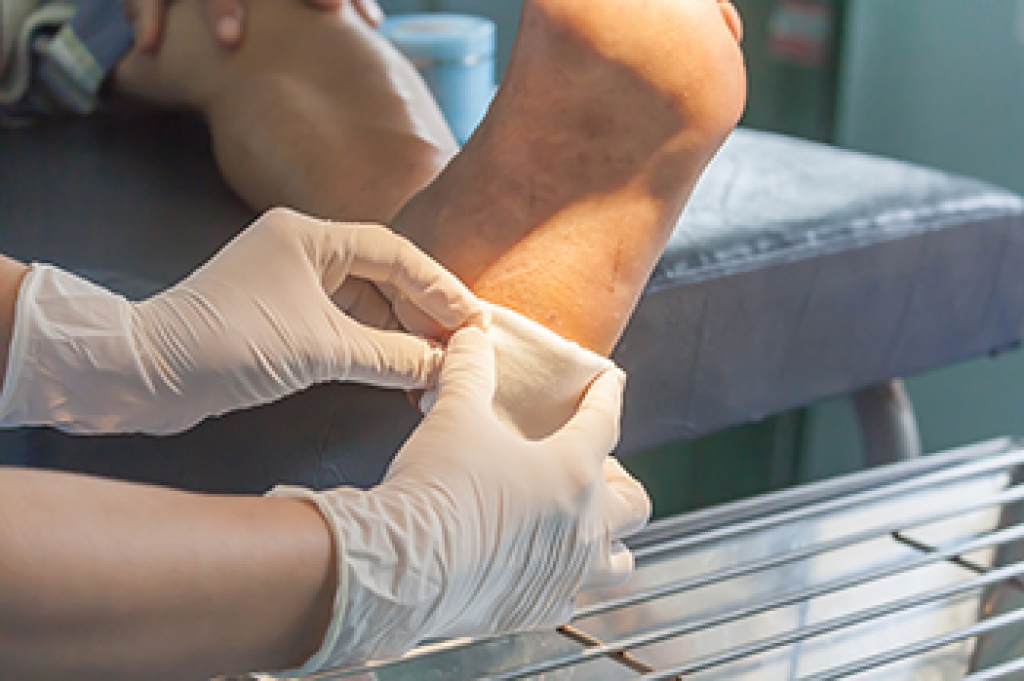
Debridement plays a vital role in the management of chronic wounds, such as diabetic foot ulcers. It involves the removal of necrotic tissue, foreign debris, bacterial growth, calluses, and non-responsive cells from the wound area, promoting the transition from a non-healing to a healing environment. Various methods are employed for debridement, including surgery, chemical approaches, natural enzyme methods, and biochemical processes. In the case of diabetic foot ulcers, callus buildup, a consequence of repeated pressure or friction, can exacerbate ulcer formation by creating areas of high plantar pressure. Hence, debridement of calluses is not only relevant for treatment but also in preventing these ulcers. If you have foot wounds, it is strongly suggested that you schedule an appointment with a podiatrist for an examination and discussion of appropriate treatment, which may include debridement.

Wound care is an important part in dealing with diabetes. If you have diabetes and a foot wound or would like more information about wound care for diabetics, consult with David Carmack, DPM from Texas. Our doctor will assess your condition and provide you with quality foot and ankle treatment.

What Is Wound Care?

Wound care is the practice of taking proper care of a wound. This can range from the smallest to the largest of wounds. While everyone can benefit from proper wound care, it is much more important for diabetics. Diabetics often suffer from poor blood circulation which causes wounds to heal much slower than they would in a non-diabetic. 

What Is the Importance of Wound Care?

While it may not seem apparent with small ulcers on the foot, for diabetics, any size ulcer can become infected. Diabetics often also suffer from neuropathy, or nerve loss. This means they might not even feel when they have an ulcer on their foot. If the wound becomes severely infected, amputation may be necessary. Therefore, it is of the upmost importance to properly care for any and all foot wounds.

How to Care for Wounds

The best way to care for foot wounds is to prevent them. For diabetics, this means daily inspections of the feet for any signs of abnormalities or ulcers. It is also recommended to see a podiatrist several times a year for a foot inspection. If you do have an ulcer, run the wound under water to clear dirt from the wound; then apply antibiotic ointment to the wound and cover with a bandage. Bandages should be changed daily and keeping pressure off the wound is smart. It is advised to see a podiatrist, who can keep an eye on it.

If you have any questions please contact our office located in Marble Falls, TX . We offer the newest diagnostic and treatment technologies for all your foot and ankle needs.
Read more about Wound Care

Treatment of Toenail Fungus

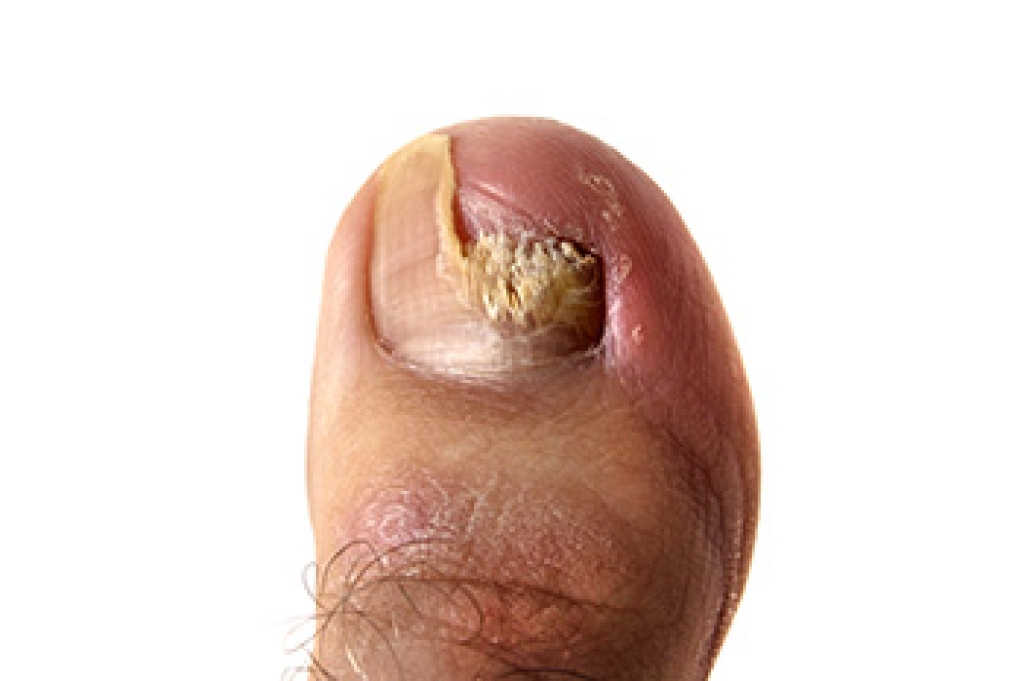
Fungal nail infections, which are known as onychomycosis, are widespread and can affect up to 14 percent of the general population, with toenail infections being more common than fingernails. While usually not severe, they can cause discomfort and affect nail appearance. Symptoms include nail discoloration, thickening, fragility, and separation from the nail bed. Often, fungal toenail infections coincide with fungal skin infections on the foot, such as athlete's foot. These infections result from various environmental fungi entering small cracks in nails or surrounding skin. While anyone can get them, certain factors increase susceptibility, such as nail injuries, diabetes, and weakened immune systems. Prevention measures involve keeping hands and feet clean and dry, maintaining short, clean nails, and avoiding walking barefoot in public areas. Diagnosis requires laboratory testing, with podiatrists typically collecting nail clippings for microscopic examination or laboratory analysis. Effective treatment often involves prescription anti-fungal pills, initiated early. Severe cases may require nail removal. Recurrence is possible, especially in those with underlying health conditions, necessitating prompt attention if symptoms return. If you have toenail fungus, it is suggested that you schedule an appointment with a podiatrist for a prompt evaluation and the correct treatment method.

If left untreated, toenail fungus may spread to other toenails, skin, or even fingernails. If you suspect you have toenail fungus it is important to seek treatment right away. For more information about treatment, contact David Carmack, DPM of Texas. Our doctor can provide the care you need to keep you pain-free and on your feet.

Symptoms

  • Warped or oddly shaped nails
  • Yellowish nails
  • Loose/separated nail
  • Buildup of bits and pieces of nail fragments under the nail
  • Brittle, broken, thickened nail

Treatment

If self-care strategies and over-the-counter medications does not help your fungus, your podiatrist may give you a prescription drug instead. Even if you find relief from your toenail fungus symptoms, you may experience a repeat infection in the future.

Prevention

In order to prevent getting toenail fungus in the future, you should always make sure to wash your feet with soap and water. After washing, it is important to dry your feet thoroughly especially in between the toes. When trimming your toenails, be sure to trim straight across instead of in a rounded shape. It is crucial not to cover up discolored nails with nail polish because that will prevent your nail from being able to “breathe”.

In some cases, surgical procedure may be needed to remove the toenail fungus. Consult with your podiatrist about the best treatment options for your case of toenail fungus.  

If you have any questions please contact our office located in Marble Falls, TX . We offer the newest diagnostic and treatment technologies for all your foot and ankle needs.
Read more about How to Treat Your Toenail Fungus

Connect With Us