Many Types of Crooked Toes

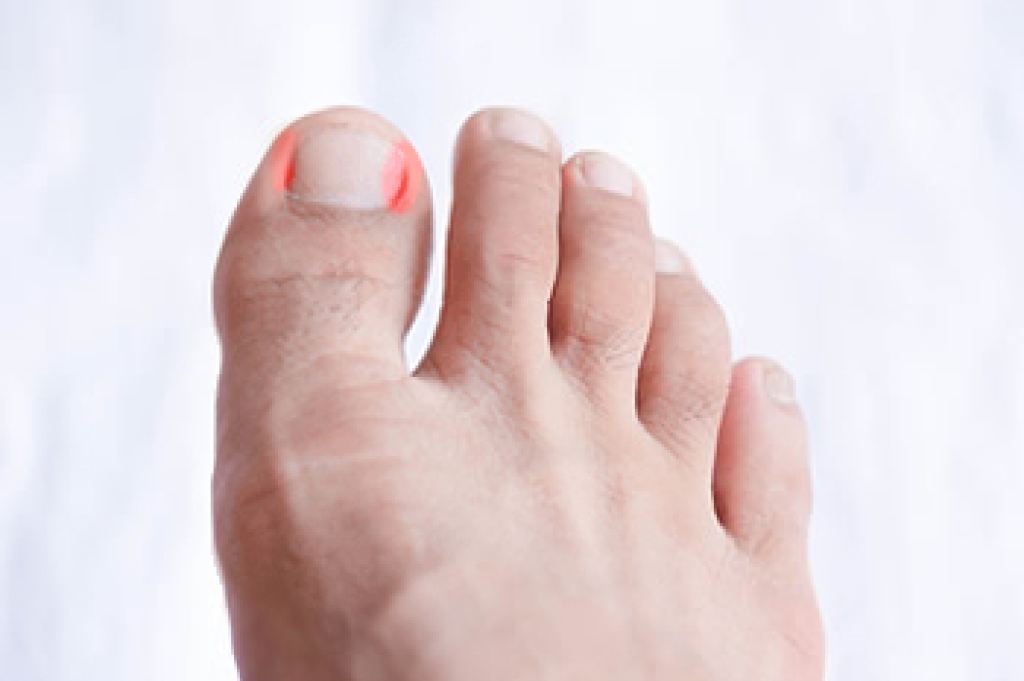
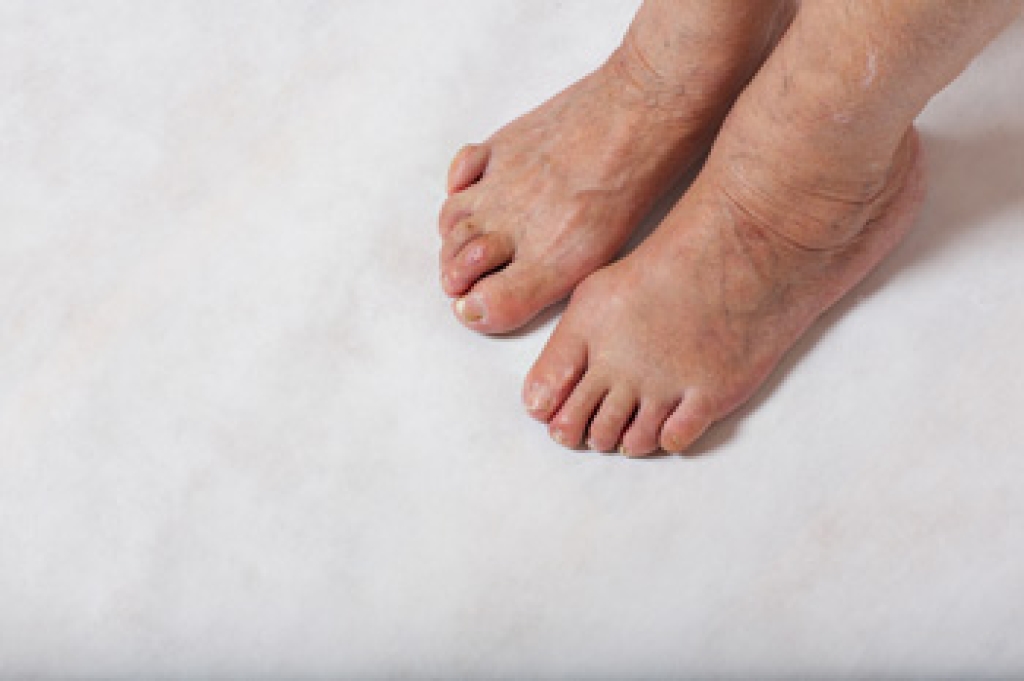
There are many types of crooked toes, including hammertoe, mallet toe, claw toe, curly toe, and overlapping toe. These abnormalities may be caused by a genetic disposition, tight or ill-fitting shoes, injury or trauma, or obesity. Nerve damage and joint damage are other possible causes. If left untreated, any of these types of crooked toes may cause further complications, the most common of which are pain and irritation when wearing shoes. Other problems that may develop from crooked toes are inflammation, open sores, corns, and calluses. Treatment options depend on the type, severity, and length of the particular condition. The first suggestion for treating any type of crooked toe is to change footwear to accommodate it. This may include buying shoes that fit correctly or not wearing certain types of shoes, such as high heels. Various exercises, taping, splints, and surgery are other treatment options. If the pain from a crooked toe worsens, it is suggested that you make an appointment with a podiatrist. This foot specialist can examine the toe and make a determination on how best to treat it.

Toe pain can disrupt your daily activities. If you have any concerns, contact David Carmack, DPM of Texas. Our doctor can provide the care you need to keep you pain-free and on your feet.

What Causes Toe Pain?

Most severe toe pain is caused due to a sports injury, trauma from dropping something heavy on the toe, or bumping into something rigid. Other problems can develop over time for various reasons.

Toe pain can be caused by one or more ailments. The most common include:

  • Trauma
  • Sports injury
  • Wearing shoes that are too tight
  • Arthritis
  • Gout
  • Corns and calluses
  • Hammertoe
  • Bunions
  • Blisters
  • Ingrown toenails
  • Sprains
  • Fractures (broken bones)
  • Dislocations

When to See a Podiatrist

  • Severe pain
  • Persistent pain that lasts more than a week
  • Signs of infection
  • Continued swelling
  • Pain that prevents walking

Diagnosis

In many cases the cause of toe pain is obvious, but in others, a podiatrist may want to use more advanced methods to determine the problem. These can range from simple visual inspections and sensation tests to X-rays and MRI scans. Prior medical history, family medical history, and any recent physical traumatic events will all be taken into consideration for a proper diagnosis.

Treatment

Treatments for toe pain and injuries vary and may include shoe inserts, padding, taping, medicines, injections, and in some cases, surgery. If you believe that you have broken a toe, please see a podiatrist as soon as possible.

If you have any questions please contact our office located in Marble Falls, TX . We offer the newest diagnostic and treatment technologies for all your foot and ankle needs.
Read more about Toe Pain

How Are Heel Spurs Treated?

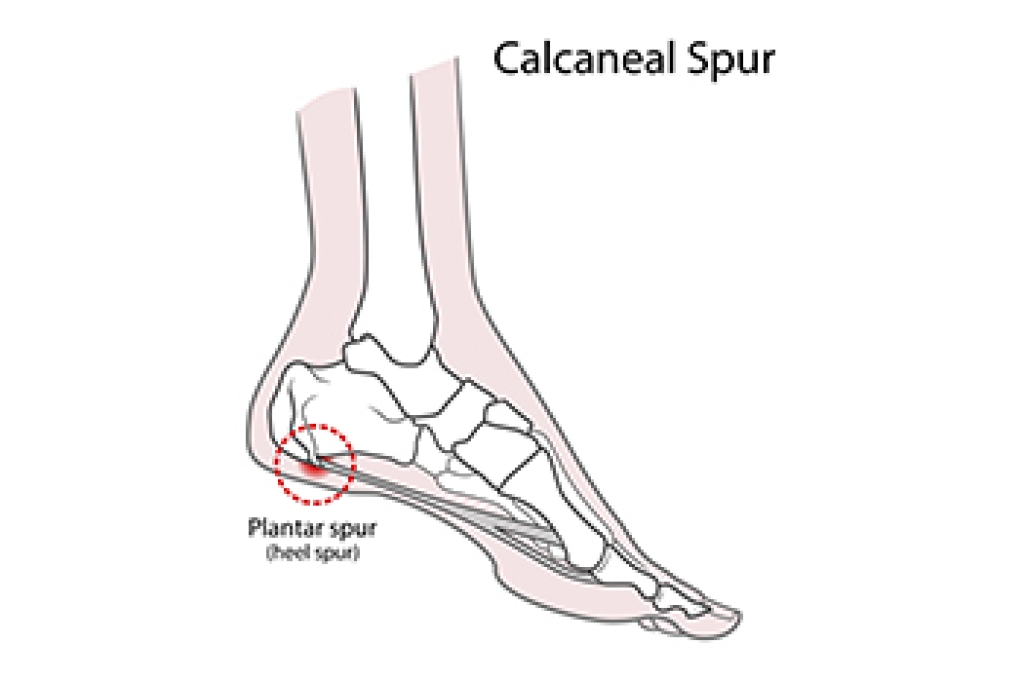
A heel spur is also known as a calcaneal spur and is a bony growth formed by calcium deposits on the underside of the foot. They can have a pointy, hooked, or shelf-like shape. Heel spurs are the body’s way of trying to protect the foot from another foot condition, such as plantar fasciitis. Heel spurs can also arise from arthritis, overuse, obesity, and improper footwear. These growths do not always cause pain but when they do, the heel can be tender, with dull or sharp pain when standing. Usually, it is the underlying condition that causes the pain. Women are more likely to get heel spurs than men. A diagnosis will consist of a visual examination of the foot and understanding where the pain arises with movement, as well as an X-ray, which will highlight the bony growth. If you have a heel spur that is causing you discomfort, it is suggested that you make an appointment with a podiatrist to discuss treatment options of the spur itself or the underlying condition which may be causing it.

Heel spurs can be incredibly painful and sometimes may make you unable to participate in physical activities. To get medical care for your heel spurs, contact David Carmack, DPM from Texas. Our doctor will do everything possible to treat your condition.

Heels Spurs

Heel spurs are formed by calcium deposits on the back of the foot where the heel is. This can also be caused by small fragments of bone breaking off one section of the foot, attaching onto the back of the foot. Heel spurs can also be bone growth on the back of the foot and may grow in the direction of the arch of the foot.

Older individuals usually suffer from heel spurs and pain sometimes intensifies with age. One of the main condition's spurs are related to is plantar fasciitis.

Pain

The pain associated with spurs is often because of weight placed on the feet. When someone is walking, their entire weight is concentrated on the feet. Bone spurs then have the tendency to affect other bones and tissues around the foot. As the pain continues, the feet will become tender and sensitive over time.

Treatments

There are many ways to treat heel spurs. If one is suffering from heel spurs in conjunction with pain, there are several methods for healing. Medication, surgery, and herbal care are some options.

If you have any questions, please feel free to contact our office located in Marble Falls, TX . We offer the newest diagnostic and treatment technologies for all your foot care needs.

Read more about How to Treat Heel Spurs

Concerns with Toe Walking in Children

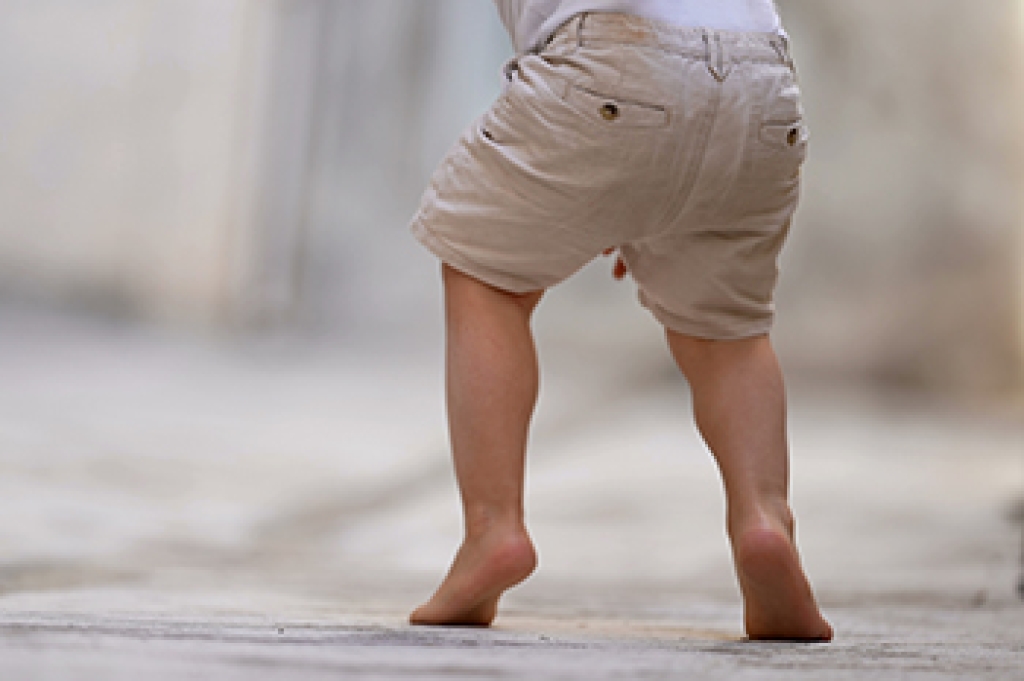
As toddlers learn to walk, they often place more weight on their toes than on the heels or soles of the feet. Experts believe that this is not necessarily indicative of any underlying medical condition or biomechanical abnormality. In fact, recent studies show that most toe walkers will outgrow this habit by the time they enter kindergarten. That said, if a child continues to walk on their toes as they get older, it may in fact may be a sign of neuromuscular or neurodevelopmental disorders, such as cerebral palsy or autism. Symptoms to watch for include stiff leg muscles, tightened Achilles tendons, and noticeable lack of coordination. Additionally, noticing a period of normal walking followed by toe walking, communication problems, and other physical abnormalities may be signs to visit a specialist. In those cases, it is suggested that parents who notice these symptoms contact a podiatrist. This type of foot doctor, who is trained to recognize the significance of such behaviors, can then examine the child’s gait, legs, and feet to determine the best course of action.

The health of a child’s feet is vital to their overall well-being. If you have any questions regarding foot health, contact David Carmack, DPM of Texas. Our doctor can provide the care you need to keep you pain-free and on your feet.

Tips for Keeping Children's Feet Healthy

  • Make sure their shoes fit properly
  • Look for any signs of in-toeing or out-toeing
  • Check to see if they have Clubfoot (condition that affects your child’s foot and ankle, twisting the heel and toes inward) which is one of the most common nonmajor birth defects.
  • Lightly cover your baby’s feet (Tight covers may keep your baby from moving their feet freely, and could prevent normal development)
  • Allow your toddler to go shoeless (Shoes can be restricting for a young child’s foot)
  • Cut toenails straight across to avoid ingrown toenails
  • Keep your child’s foot clean and dry
  • Cover cuts and scrapes. Wash any scratches with soap and water and cover them with a bandage until they’ve healed.

If you have any questions, please feel free to contact our office located in Marble Falls, TX . We offer the newest diagnostic and treatment technologies for all your foot care needs.

Read more about What to Do to Keep Your Child’s Feet Healthy

Growth of Toenails

Learning about the biomechanics of the feet can be significantly beneficial for anyone who takes the health of their feet seriously. One aspect of the biomechanics of the feet that everyone ought to know about is the growth of the toenails. The toenails serve important functions, protecting the toes and providing a hard outer armor. There are six parts of the nail, including the root, nail bed, nail plate, eponychium, paronychium and hyponychium. Compared to fingernails, toenails grow at a slower rate. For example, it can take 12 to 18 months for a completely new toenail to grow from the root of the nail to the tip. If an individual has poor circulation, this might further impede toenail growth. If you are someone that is interested in learning more about the toenails, it is recommended that you schedule an appointment with a podiatrist today.

If you have any concerns about your feet, contact David Carmack, DPM from Texas. Our doctor can provide the care you need to keep you pain-free and on your feet.

Biomechanics in Podiatry

Podiatric biomechanics is a particular sector of specialty podiatry with licensed practitioners who are trained to diagnose and treat conditions affecting the foot, ankle and lower leg. Biomechanics deals with the forces that act against the body, causing an interference with the biological structures. It focuses on the movement of the ankle, the foot and the forces that interact with them.

A History of Biomechanics

  • Biomechanics dates back to the BC era in Egypt where evidence of professional foot care has been recorded.
  • In 1974, biomechanics gained a higher profile from the studies of Merton Root, who claimed that by changing or controlling the forces between the ankle and the foot, corrections or conditions could be implemented to gain strength and coordination in the area.

Modern technological improvements are based on past theories and therapeutic processes that provide a better understanding of podiatric concepts for biomechanics. Computers can provide accurate information about the forces and patterns of the feet and lower legs.

Understanding biomechanics of the feet can help improve and eliminate pain, stopping further stress to the foot.

If you have any questions please feel free to contact our office located in Marble Falls, TX . We offer the newest diagnostic and treatment technologies for all your foot and ankle needs.
Read more about Biomechanics in Podiatry

Connect With Us