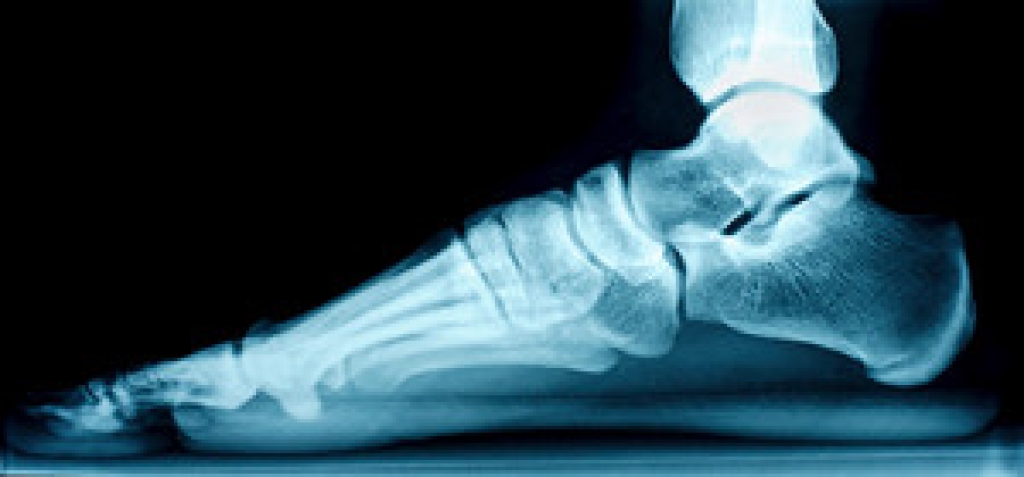
Stretching May Help Flat Feet

People who have flat feet often look toward stretching and exercising which may help any discomfort that can accompany this ailment. Flat feet are defined as the foot having a low arch, or the arch being absent. It is noticeable while standing on the floor, and the entire foot lies flat. It is considered to be an imbalance, and can affect other parts of the body. The feet are the foundation of the body, and carry us through the day. When the feet connect to the ground, and there is no arch, the plantar fascia may be negatively affected, and may cause pain and discomfort. This is the band of tissue that runs across the bottom of the foot, and connects the heel to the toes. This can produce tight calf muscles. There are simple stretches that can help to relieve the discomfort. These can consist of standing on a step and lowering the heels one at a time until a gentle stretch is felt. Additionally, many people choose to roll the sole of their foot over a tennis ball, and this can be beneficial in releasing any tension in the foot. If you have flat feet, and would like to learn more about how stretches can help you, please consult with a podiatrist. 

Flatfoot is a condition many people suffer from. If you have flat feet, contact David Carmack, DPM from Texas. Our doctor will treat your foot and ankle needs.

What Are Flat Feet?

Flatfoot is a condition in which the arch of the foot is depressed and the sole of the foot is almost completely in contact with the ground. About 20-30% of the population generally has flat feet because their arches never formed during growth.

Conditions & Problems:

Having flat feet makes it difficult to run or walk because of the stress placed on the ankles.

Alignment – The general alignment of your legs can be disrupted, because the ankles move inward which can cause major discomfort.

Knees – If you have complications with your knees, flat feet can be a contributor to arthritis in that area.  

Symptoms

  • Pain around the heel or arch area
  • Trouble standing on the tip toe
  • Swelling around the inside of the ankle
  • Flat look to one or both feet
  • Having your shoes feel uneven when worn

Treatment

If you are experiencing pain and stress on the foot you may weaken the posterior tibial tendon, which runs around the inside of the ankle. 

If you have any questions, please feel free to contact our office located in Marble Falls, TX . We offer the newest diagnostic and treatment technologies for all your foot care needs.


Read more about Flat Feet

Foot Stretches That May Help Plantar Fasciitis Pain

The plantar fascia is a thick band of tissue that is found on the sole of the foot, and connects the heel to the toes. An injury or repetitive stress may cause this area of tissue to become inflamed, and this is known as plantar fasciitis. Many people who are afflicted with this have severe pain and discomfort, and it is often difficult to walk. Symptoms can include a stabbing pain in the heel, which may be worse upon arising in the morning. When simple stretches are frequently practiced, they may help to reduce some of the discomfort caused by plantar fasciitis. A calf stretch is effective in strengthening the calf muscles. This is done by standing on a step, and lowering one heel at a time until a gentle stretch is felt. Some people find mild relief by placing the sole of their foot on a tennis ball, and rolling it for several seconds over the ball. Additionally, a towel crunch is practiced by placing a towel on the floor, and picking it up with the toes. If you would like more information about stretches to help reduce the pain from plantar fasciitis, please speak with a podiatrist. 

Plantar fasciitis can be very painful and inconvenient. If you are experiencing heel pain or symptoms of plantar fasciitis, contact David Carmack, DPM  from Texas. Our doctor can provide the care you need to keep you pain-free and on your feet.

What Is Plantar Fasciitis?

Plantar fasciitis is the inflammation of the thick band of tissue that runs along the bottom of your foot, known as the plantar fascia, and causes mild to severe heel pain.

What Causes Plantar Fasciitis?

  • Excessive running
  • Non-supportive shoes
  • Overpronation
  • Repeated stretching and tearing of the plantar fascia

How Can It Be Treated?

  • Conservative measures – anti-inflammatories, ice packs, stretching exercises, physical therapy, orthotic devices
  • Shockwave therapy – sound waves are sent to the affected area to facilitate healing and are usually used for chronic cases of plantar fasciitis
  • Surgery – usually only used as a last resort when all else fails. The plantar fascia can be surgically detached from the heel

While very treatable, plantar fasciitis is definitely not something that should be ignored. Especially in severe cases, speaking to your doctor right away is highly recommended to avoid complications and severe heel pain. Your podiatrist can work with you to provide the appropriate treatment options tailored to your condition.

If you have any questions, please feel free to contact our office located in Marble Falls, TX . We offer the newest diagnostic and treatment technologies for all your foot care needs.
Read more about Plantar Fasciitis

We Can Treat Your Foot or Ankle Pain

Foot or ankle pain can negatively affect your day-to-day life and can occur due to several different conditions. Pain can also be an indicator of a more serious underlying condition, which is why you should seek professional help as soon as you notice any abnormalities in your feet.

Orthotics for Overpronation

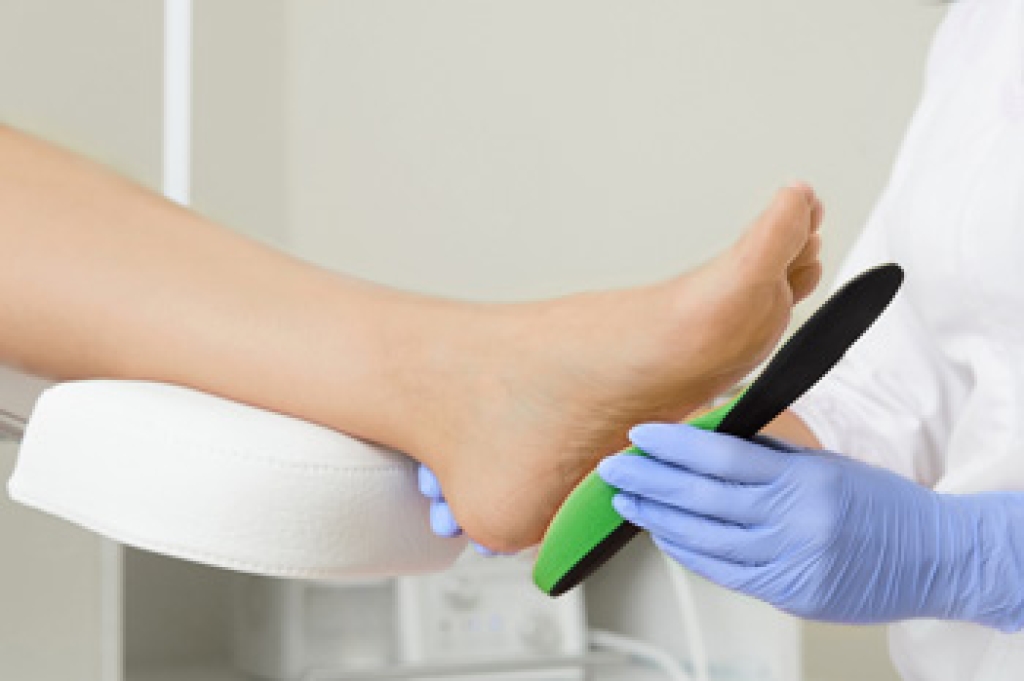
Orthotics are shoe inserts that can be recommended to correct problems in your gait or the structure of your feet. Overpronation is one kind of gait issue that can potentially be corrected with the use of orthotics. An individual has overpronation when their feet excessively roll inward during walking or running for shock absorption purposes. Overpronation ultimately puts unnecessary pressure both on the big toe and on the entire inner foot. To correct overpronation before it leads to other complications, you might use orthotics. Custom-made orthotics that are specifically fit to your foot type may be able to restrict the extent to which your foot rolls inward through arch support padding. To reduce strain on your ankle from overpronation, orthotics can redistribute and reallocate the pressure you put on your feet. Orthotics might even have heel wedges to restrict how much the heel moves forward when the feet are in motion. However, it is important to note that in some cases orthotics alone might not completely correct and eliminate your overpronation. If you have overpronation and are interested in possibly using orthotics, contact your podiatrist for help. 

If you are having discomfort in your feet and would like to try orthotics, contact David Carmack, DPM from Texas. Our doctor can provide the care you need to keep you pain-free and on your feet.

What Are Orthotics?

Orthotics are inserts you can place into your shoes to help with a variety of foot problems such as flat feet or foot pain. Orthotics provide relief and comfort for minor foot and heel pain but can’t correct serious biomechanical problems in your feet.

Over-the-Counter Inserts

Orthotics come in a wide variety of over-the-counter inserts that are used to treat foot pain, heel pain, and minor problems. For example, arch supports can be inserted into your shoes to help correct overarched or flat feet, while gel insoles are often used because they provide comfort and relief from foot and heel pain by alleviating pressure.

Prescription Orthotics

If over-the-counter inserts don’t work for you or if you have a more severe foot concern, it is possible to have your podiatrist prescribe custom orthotics. These high-quality inserts are designed to treat problems such as abnormal motion, plantar fasciitis, and severe forms of heel pain. They can even be used to help patients suffering from diabetes by treating foot ulcers and painful calluses and are usually molded to your feet individually, which allows them to provide full support and comfort.

If you are experiencing minor to severe foot or heel pain, it’s recommended to speak with your podiatrist about the possibilities of using orthotics. A podiatrist can determine which type of orthotic is right for you and allow you to take the first steps towards being pain-free.

If you have any questions, please feel free to contact our office located in Marble Falls, TX . We offer the newest diagnostic and treatment technologies for all your foot care needs.
Read more about Foot Orthotics

The Inconvenience of an Ingrown Toenail

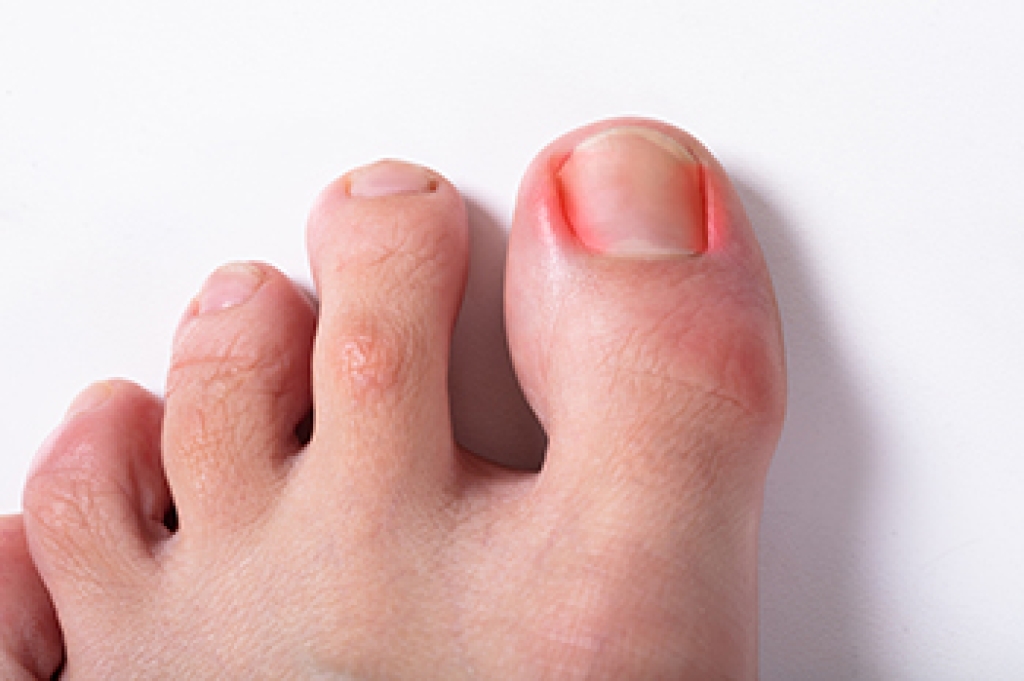
An ingrown toenail can make putting on a pair of shoes or walking difficult. While it is not a serious problem, it is an irritating one and something that can turn into an infection if not tended to. Healthy toenails grow out and away from the base of the nail bed. An ingrown toenail is when the toenail grows into the side of the cuticle. In severe cases, the skin will fold over the nail. Ingrown toenails typically happen on the big toe. The skin tissue at the cuticle will become red, sensitive, and inflamed, and there may be weeping pus. Some ingrown toenails are easy to treat by soaking in various oil or salt preparations and gently pulling the nail away from the skin, while others require minor surgery. While the ingrown nail is healing, it is important to trim the nail straight across. If the ingrown toenail is too painful to trim or if an infection develops, see a podiatrist as soon as possible who can do what is necessary—even a minor surgical procedure with a local anesthetic—to get you on the right track.

Ingrown toenails can become painful if they are not treated properly. For more information about ingrown toenails, contact David Carmack, DPM of Texas. Our doctor can provide the care you need to keep you pain-free and on your feet.

Ingrown Toenails

Ingrown toenails occur when a toenail grows sideways into the bed of the nail, causing pain, swelling, and possibly infection.

Causes

  • Bacterial infections
  • Improper nail cutting such as cutting it too short or not straight across
  • Trauma to the toe, such as stubbing, which causes the nail to grow back irregularly
  • Ill-fitting shoes that bunch the toes too close together
  • Genetic predisposition

Prevention

Because ingrown toenails are not something found outside of shoe-wearing cultures, going barefoot as often as possible will decrease the likeliness of developing ingrown toenails. Wearing proper fitting shoes and using proper cutting techniques will also help decrease your risk of developing ingrown toenails.

Treatment

Ingrown toenails are a very treatable foot condition. In minor cases, soaking the affected area in salt or antibacterial soaps will not only help with the ingrown nail itself, but also help prevent any infections from occurring. In more severe cases, surgery is an option. In either case, speaking to your podiatrist about this condition will help you get a better understanding of specific treatment options that are right for you.

If you have any questions, please feel free to contact our office located in Marble Falls, TX . We offer the newest diagnostic and treatment technologies for all your foot care needs.

Read more about Ingrown Toenail Care

Connect With Us