Most Common Sports-Related Foot Injuries

Participating in sports involving running and/or jumping on hard surfaces puts one at more risk for injury than low impact sports, such as golfing or swimming. The truth is that if you participate in any sport, you will likely sustain an injury at some point. The most common foot injuries are plantar fasciitis, neuroma, turf toe, heel spurs, stress fractures, Achilles tendonitis, and tarsal tunnel syndrome. Plantar fasciitis happens when the band of tissue supporting the arch of the foot becomes inflamed or torn. A neuroma is a pinched nerve in the ball of the foot. Turf toe is caused by repeated hypertension of the big toe joint. A heel spur is when the plantar fascia stretches away from the heel and a bony calcium deposit forms on the bottom of the heel bone. A stress fracture is a small crack in the bone and happens when a bone cannot absorb the stress of repetitive impact. Achilles tendonitis is due to overuse, and the large tendon running from the bottom of the foot to the ankle is overstretched. Tarsal tunnel syndrome is when the posterior tibial nerve in the tarsal tunnel becomes compressed. Wearing well-fitted supportive shoes, stretching before sports participation, and not overdoing activity can help prevent such injuries. Resting after an injury before reengaging in the sport is vital. If you feel pain or have endured a sports-related injury, please consult with a podiatrist for a proper diagnosis and treatment plan.

Sports related foot and ankle injuries require proper treatment before players can go back to their regular routines. For more information, contact David Carmack, DPM of Texas. Our doctor can provide the care you need to keep you pain-free and on your feet.

Sports Related Foot and Ankle Injuries

Foot and ankle injuries are a common occurrence when it comes to athletes of any sport. While many athletes dismiss the initial aches and pains, the truth is that ignoring potential foot and ankle injuries can lead to serious problems. As athletes continue to place pressure and strain the area further, a mild injury can turn into something as serious as a rupture and may lead to a permanent disability. There are many factors that contribute to sports related foot and ankle injuries, which include failure to warm up properly, not providing support or wearing bad footwear. Common injuries and conditions athletes face, including:

  • Plantar Fasciitis
  • Achilles Tendinitis
  • Achilles Tendon Rupture
  • Ankle Sprains

Sports related injuries are commonly treated using the RICE method. This includes rest, applying ice to the injured area, compression and elevating the ankle. More serious sprains and injuries may require surgery, which could include arthroscopic and reconstructive surgery. Rehabilitation and therapy may also be required in order to get any recovering athlete to become fully functional again. Any unusual aches and pains an athlete sustains must be evaluated by a licensed, reputable medical professional.

If you have any questions please contact our office located in Marble Falls, TX . We offer the newest diagnostic and treatment technologies for all your foot and ankle needs.

Read more about Sports Related Foot And Ankle Injuries

Types of Foods That May Help Gout Attacks

An excess of uric acid in the blood can lead to the painful condition that is known as gout. Uric acid can come from eating foods that have high levels of purines. There are specific types of foods to avoid that can lead to gout attacks. These can include shellfish, red meat, and drinks that have large amounts of sugar. Additionally, there are foods that can be eaten that can possibly prevent and manage gout. These consist of cherries which have anti-inflammatory properties, and fresh or frozen juices. It  can help to eat foods that are rich in vitamin C, and research has shown drinking coffee may decrease the risk of getting gout. Some patients prefer to eat foods that are plant-based, and staying hydrated is beneficial in controlling gout. If you have developed this condition, it is suggested that you consult with a podiatrist who can guide you toward the right treatment options.

Gout is a foot condition that requires certain treatment and care. If you are seeking treatment, contact David Carmack, DPM from Texas. Our doctor will treat your foot and ankle needs.

What Is Gout?

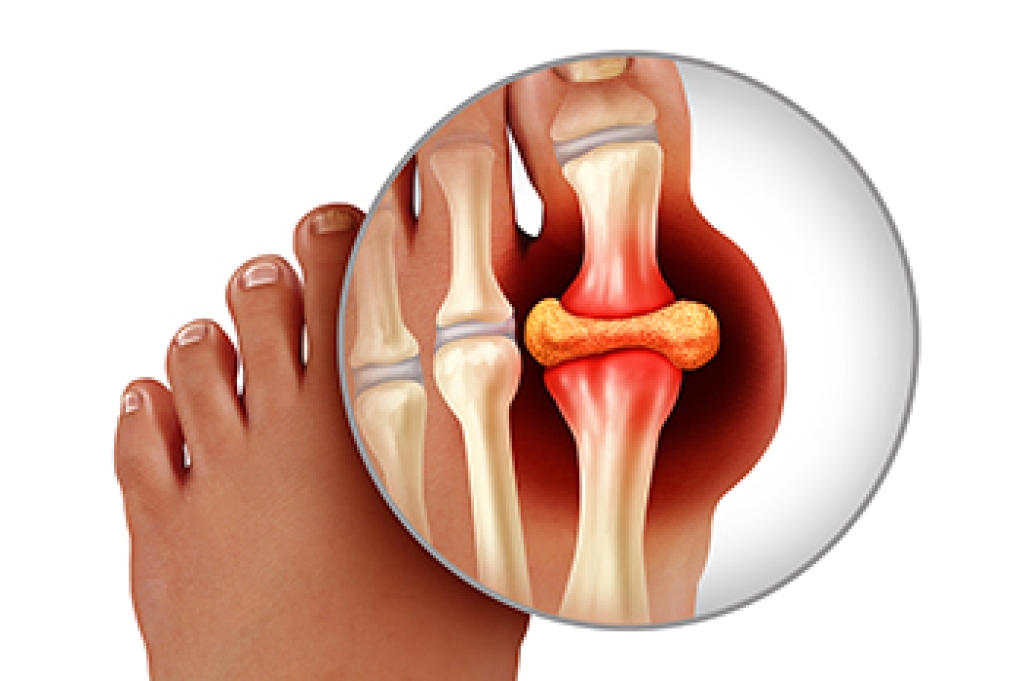
Gout is a type of arthritis caused by a buildup of uric acid in the bloodstream. It often develops in the foot, especially the big toe area, although it can manifest in other parts of the body as well. Gout can make walking and standing very painful and is especially common in diabetics and the obese.

People typically get gout because of a poor diet. Genetic predisposition is also a factor. The children of parents who have had gout frequently have a chance of developing it themselves.

Gout can easily be identified by redness and inflammation of the big toe and the surrounding areas of the foot. Other symptoms include extreme fatigue, joint pain, and running high fevers. Sometimes corticosteroid drugs can be prescribed to treat gout, but the best way to combat this disease is to get more exercise and eat a better diet.

If you have any questions, please feel free to contact our office located in Marble Falls, TX . We offer the newest diagnostic and treatment technologies for all your foot care needs.

Read more about Everything You Need to Know About Gout

Are You Suffering From Nerve Damage?

Neuropathy is a condition that can lead to numbness or loss of sensation in the feet, but it can also cause pain. This condition is more likely to develop for those who are diabetic, obese, or with high blood pressure.

Heel Pain in Children

Children often complain of heel pain, and it is usually not serious.  However, it is important to understand what is going on as such pain can arise for various reasons. If a child suffers from pain or tenderness in the back of the foot or ankle, limps, or walks on their toes, they might have Achilles tendonitis or Sever’s disease. Achilles tendonitis is an inflamed Achilles tendon. Sever’s disease, or calcaneal apophysitis, affects kids from five to eleven years of age and involves the Achilles tendon pulling on a growing heel bone. Both conditions can occur from overuse or a sudden increase in activity.  Children performing repetitive movement as in sports like soccer, basketball, and track that involve running or jumping are more prone to heel pain. Rest, ice, compression, elevation, stretching, over-the-counter pain medication, and perhaps cushioned heel lifts usually provide relief, but ignoring symptoms can lead to worsening of the injury and sometimes chronic pain. Other less common reasons for heel pain in children are plantar fasciitis, fractures of the heel or foot, infections, tumors, or congenital problems. If one suspects a child has sustained a fracture or if pain persists beyond a couple of weeks, a podiatrist should be seen to examine your child’s feet, determine what the cause of pain is, and suggest an appropriate treatment plan.

Many people suffer from bouts of heel pain. For more information, contact David Carmack, DPM of Texas. Our doctor can provide the care you need to keep you pain-free and on your feet.

Causes of Heel Pain

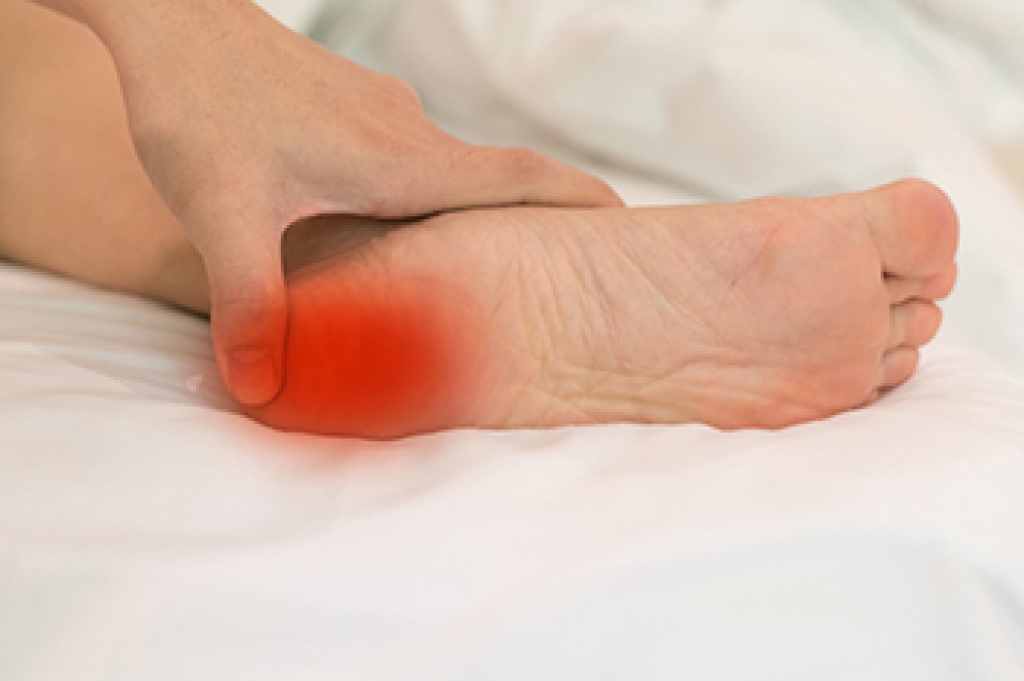
Heel pain is often associated with plantar fasciitis. The plantar fascia is a band of tissues that extends along the bottom of the foot. A rip or tear in this ligament can cause inflammation of the tissue.

Achilles tendonitis is another cause of heel pain. Inflammation of the Achilles tendon will cause pain from fractures and muscle tearing. Lack of flexibility is also another symptom.

Heel spurs are another cause of pain. When the tissues of the plantar fascia undergo a great deal of stress, it can lead to ligament separation from the heel bone, causing heel spurs.

Why Might Heel Pain Occur?

  • Wearing ill-fitting shoes                
  • Wearing non-supportive shoes
  • Weight change           
  • Excessive running

Treatments

Heel pain should be treated as soon as possible for immediate results. Keeping your feet in a stress-free environment will help. If you suffer from Achilles tendonitis or plantar fasciitis, applying ice will reduce the swelling. Stretching before an exercise like running will help the muscles. Using all these tips will help make heel pain a condition of the past.

If you have any questions, please feel free to contact our office located in Marble Falls, TX . We offer the newest diagnostic and treatment technologies for all your foot care needs.

Read more about Heel Pain

Do I Have Toenail Fungus?

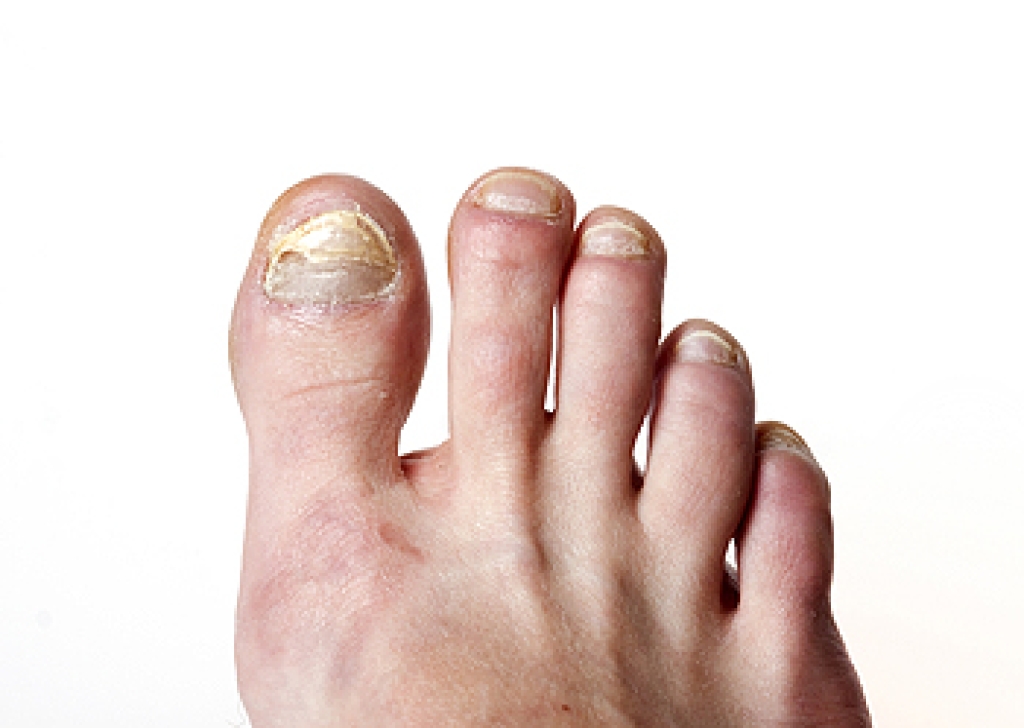
Toenail fungus, or onychomycosis, is an infection of the toenail that causes the nail to become discolored, thick, and prone to cracking and breaking. There is typically no pain associated with toenail fungus unless it becomes severe. Fungal nail infections are caused by different types of yeasts or molds in the environment that can get into the nail and cause an infection. The elderly, diabetics, those with weakened immune systems or blood circulatory problems, and those with athlete’s foot are more apt to get toenail fungus. To prevent toenail fungus, regularly wash and dry the feet, clip toenails straight across, do not walk barefoot in public areas, and beware of those who might have athlete’s foot as it is highly contagious. Visit a podiatrist to have your toenails checked if you suspect you have toenail fungus for a diagnosis and suggestions for treatment.

If left untreated, toenail fungus may spread to other toenails, skin, or even fingernails. If you suspect you have toenail fungus it is important to seek treatment right away. For more information about treatment, contact David Carmack, DPM of Texas. Our doctor can provide the care you need to keep you pain-free and on your feet.

Symptoms

  • Warped or oddly shaped nails
  • Yellowish nails
  • Loose/separated nail
  • Buildup of bits and pieces of nail fragments under the nail
  • Brittle, broken, thickened nail

Treatment

If self-care strategies and over-the-counter medications does not help your fungus, your podiatrist may give you a prescription drug instead. Even if you find relief from your toenail fungus symptoms, you may experience a repeat infection in the future.

Prevention

In order to prevent getting toenail fungus in the future, you should always make sure to wash your feet with soap and water. After washing, it is important to dry your feet thoroughly especially in between the toes. When trimming your toenails, be sure to trim straight across instead of in a rounded shape. It is crucial not to cover up discolored nails with nail polish because that will prevent your nail from being able to “breathe”.

In some cases, surgical procedure may be needed to remove the toenail fungus. Consult with your podiatrist about the best treatment options for your case of toenail fungus.  

If you have any questions please contact our office located in Marble Falls, TX . We offer the newest diagnostic and treatment technologies for all your foot and ankle needs.
Read more about Treating Toenail Fungus

Connect With Us