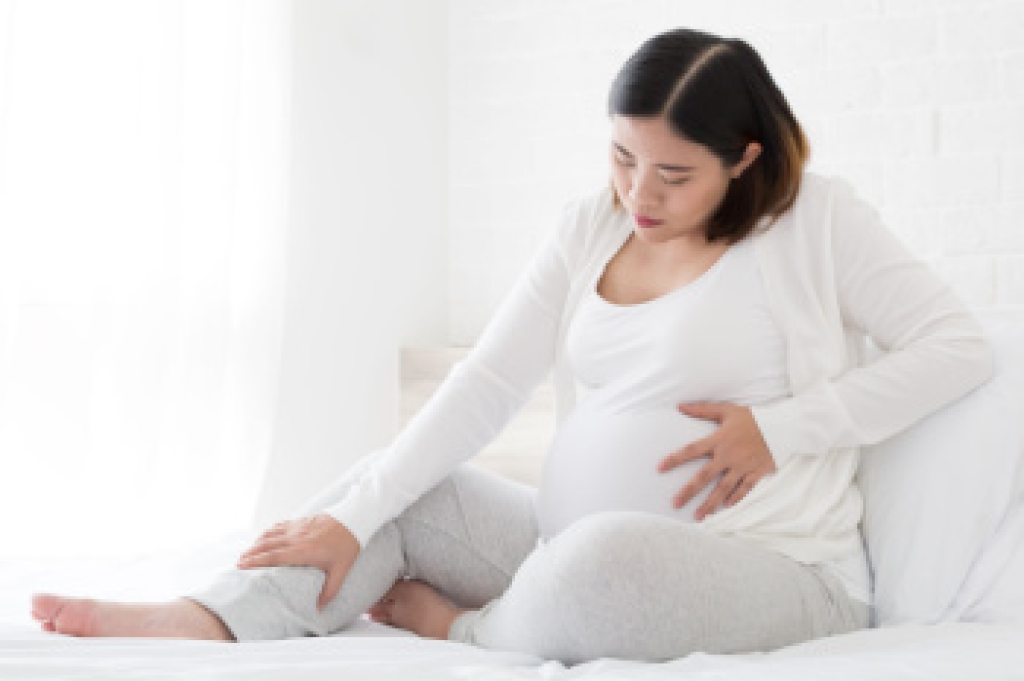
Swelling in the feet and ankles during pregnancy often becomes noticeable when shoes feel tighter or socks leave deeper marks. The body holds more fluid to support the growing baby. As the uterus enlarges, it places pressure on veins that carry blood from the legs toward the heart. This pressure slows blood flow and allows fluid to collect in nearby tissues. Gravity draws that fluid toward the feet and ankles. Swelling usually develops gradually and affects both sides. It tends to become more noticeable later in pregnancy, especially toward the end of the day or during hot weather.
Foot changes during pregnancy include how the feet bear weight. Added weight places greater pressure on the arches, while hormonal changes loosen ligaments that support the joints. Some patients notice wider feet or a lower arch. These changes contribute to aching and difficulty finding comfortable shoes. Swelling adds pressure against the skin and makes existing foot problems more uncomfortable. A podiatrist examines the feet and ankles to assess the swelling and identify areas of tenderness. The exam also includes checking circulation and skin condition. Questions about when symptoms began help distinguish gradual pregnancy-related swelling from problems that require further medical evaluation.
Treatment depends on the cause of the swelling and any related foot problems. A podiatrist evaluates shoe fit and recommends designs that accommodate changes in foot size without squeezing swollen tissues. When arch strain contributes to discomfort, custom orthotics provide support and redistribute pressure. These inserts address foot mechanics rather than the fluid buildup itself. After checking circulation, the podiatrist assesses whether properly fitted compression stockings are appropriate. Follow-up visits allow the doctor to monitor changes and adjust treatment as pregnancy progresses.
Certain symptoms require urgent attention rather than waiting for a routine foot appointment. Sudden swelling warrants immediate contact with the maternity care team, especially with a severe headache or vision changes. These symptoms suggest possible preeclampsia, a pregnancy complication involving high blood pressure. Swelling in one leg with pain, redness, or warmth requires urgent evaluation for a blood clot. Chest pain or sudden difficulty breathing also requires emergency care. If you have swollen feet or ankles during pregnancy, it is suggested that you schedule an appointment with a podiatrist for a diagnosis and appropriate treatment.
Pregnant women with swollen feet can be treated with a variety of different methods that are readily available. For more information about other cures for swollen feet during pregnancy, consult with David Carmack, DPM from Texas. Our doctor will attend to all of your foot and ankle needs.
What Foot Problems Can Arise During Pregnancy?
One problem that can occur is overpronation, which occurs when the arch of the foot flattens and tends to roll inward. This can cause pain and discomfort in your heels while you’re walking or even just standing up, trying to support your baby.
Another problem is edema, or swelling in the extremities. This often affects the feet during pregnancy but tends to occur in the later stages.
How Can I Keep My Feet Healthy During Pregnancy?
- Wearing orthotics can provide extra support for the feet and help distribute weight evenly
- Minimize the amount of time spent walking barefoot
- Wear shoes with good arch support
- Wear shoes that allow for good circulation to the feet
- Elevate feet if you experience swelling
- Massage your feet
- Get regular, light exercise, such as walking, to promote blood circulation to the feet
If you have any questions, please feel free to contact our office located in Marble Falls, TX . We offer the newest diagnostic and treatment technologies for all your foot care needs.
