Arthritis in the Toes

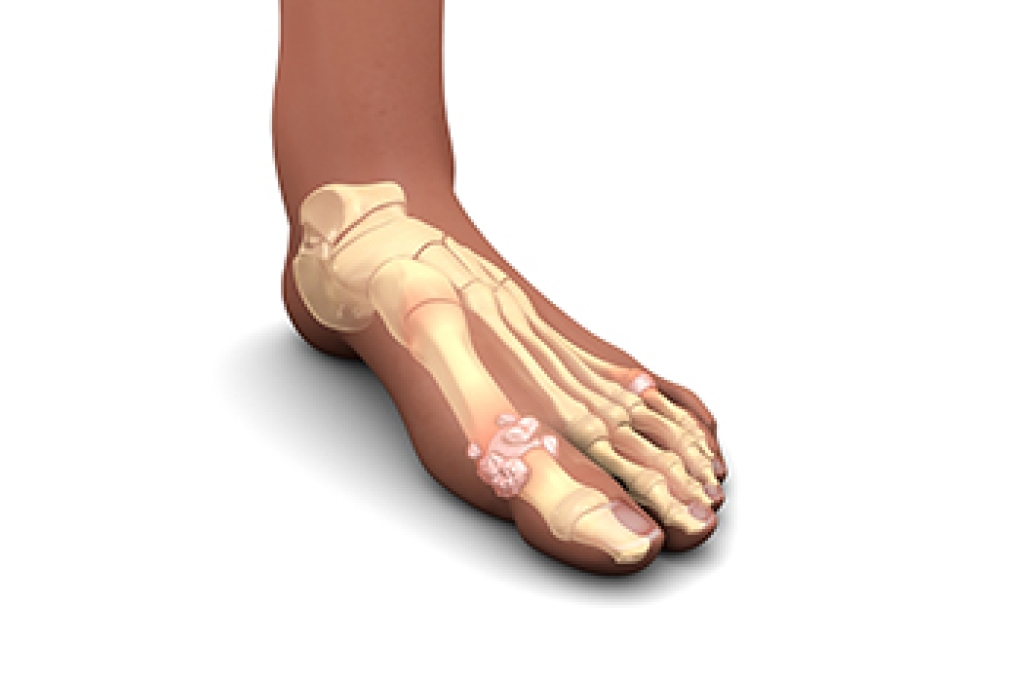
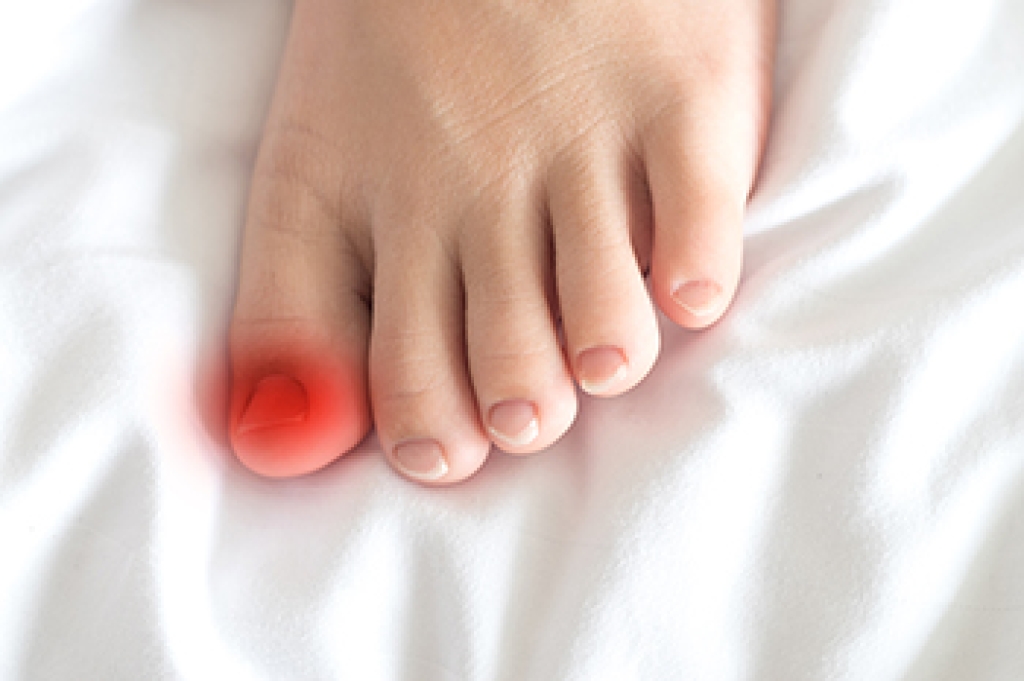
Arthritis can occur in any part of the body where joints exist. Since toes have many joints, this is a common place for arthritis to develop. Different types of arthritis can attack the toes, primarily osteoarthritis, rheumatoid arthritis, and gout. If the cartilage wears away between the bones in the toes, they will rub together and inflammation will occur. The big toe is the one most often affected. Past injuries, such as broken or sprained toes, can gradually cause arthritis. Aging, being overweight, and having a family history of arthritis are risk factors for this affliction. Symptoms of toe arthritis include pain, stiffness, and swelling. A clicking, popping, or a grinding noise can also be symptoms. Toe arthritis can cause difficulty with mobility. If you have toe pain, it is suggested that you consult with a podiatrist who can properly diagnose arthritis, and provide correct treatment options.

Arthritis can be a difficult condition to live with. If you are seeking treatment, contact David Carmack, DPM from Texas. Our doctor can provide the care you need to keep you pain-free and on your feet.

Arthritic Foot Care  

Arthritis is a term that is commonly used to describe joint pain.  The condition itself can occur to anyone of any age, race, or gender, and there are over 100 types of it.  Nevertheless, arthritis is more commonly found in women compared to men, and it is also more prevalent in those who are overweight. The causes of arthritis vary depending on which type of arthritis you have. Osteoarthritis for example, is often caused by injury, while rheumatoid arthritis is caused by a misdirected immune system.

Symptoms

  • Swelling
  • Pain
  • Stiffness
  • Decreased Range of Motion

Arthritic symptoms range in severity, and they may come and go. Some symptoms stay the same for several years but could potentially get worse with time. Severe cases of arthritis can prevent its sufferers from performing daily activities and make walking difficult.

Risk Factors

  • Occupation – Occupations requiring repetitive knee movements have been linked to osteoarthritis
  • Obesity – Excess weight can contribute to osteoarthritis development
  • Infection – Microbial agents can infect the joints and trigger arthritis
  • Joint Injuries – Damage to joints may lead to osteoarthritis
  • Age – Risk increases with age
  • Gender –Most types are more common in women
  • Genetics – Arthritis can be hereditary

If you suspect your arthritis is affecting your feet, it is crucial that you see a podiatrist immediately. Your doctor will be able to address your specific case and help you decide which treatment method is best for you.

If you have any questions please feel free to contact our office located in Marble Falls, TX . We offer the newest diagnostic tools and technology to treat your foot and ankle needs.

Read more about How to Care for Your Arthritic Foot

Exercise and Household Changes May Help Prevent Falls

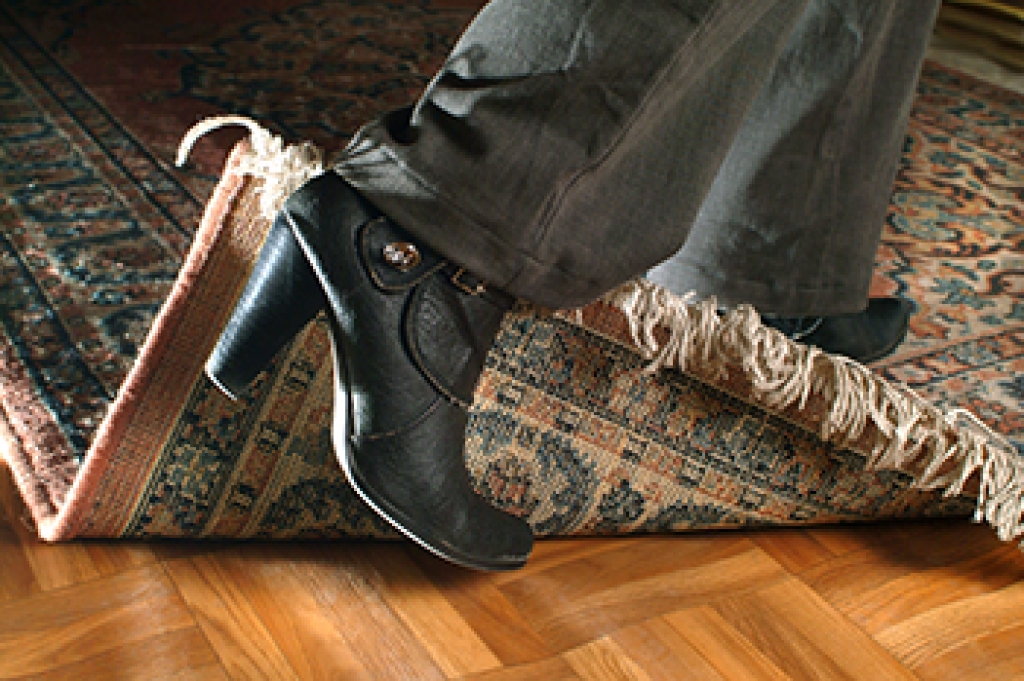
Falling can be serious among older individuals. It can lead to debilitating injuries, many of which can affect the feet. It is helpful to discuss existing medications while having routine physical examinations and staying current with eye exams. The latter can be beneficial in updating eyeglass prescriptions. There are effective fall prevention techniques that can be put into place that may reduce the number of falls. These can include engaging in a regular exercise routine like yoga or tai chi and both can improve balance. The body can become stronger when low-impact cardiovascular exercise is frequently practiced, which may help strengthen the legs. Additionally, simple changes made in the household may significantly contribute to limiting falling episodes. These can consist of improving lighting, removing worn rugs, and installing grab bars in the shower and toilet area. If you would like more information about how falling can affect the feet, it is suggested that you consult with a podiatrist who can provide you with the correct information.

Preventing falls among the elderly is very important. If you are older and have fallen or fear that you are prone to falling, consult with David Carmack, DPM from Texas. Our doctor will assess your condition and provide you with quality advice and care.

Every 11 seconds, an elderly American is being treated in an emergency room for a fall related injury. Falls are the leading cause of head and hip injuries for those 65 and older. Due to decreases in strength, balance, senses, and lack of awareness, elderly persons are very susceptible to falling. Thankfully, there are a number of things older persons can do to prevent falls.

How to Prevent Falls

Some effective methods that older persons can do to prevent falls include:

  • Enrolling in strength and balance exercise program to increase balance and strength
  • Periodically having your sight and hearing checked
  • Discuss any medications you have with a doctor to see if it increases the risk of falling
  • Clearing the house of falling hazards and installing devices like grab bars and railings
  • Utilizing a walker or cane
  • Wearing shoes that provide good support and cushioning
  • Talking to family members about falling and increasing awareness

Falling can be a traumatic and embarrassing experience for elderly persons; this can make them less willing to leave the house, and less willing to talk to someone about their fears of falling. Doing such things, however, will increase the likelihood of tripping or losing one’s balance. Knowing the causes of falling and how to prevent them is the best way to mitigate the risk of serious injury.  

If you have any questions, please feel free to contact our office located in Marble Falls, TX . We offer the newest diagnostic and treatment technologies for all your foot care needs.

Read more about Falls Prevention

Gout Pain Can Be Managed

Gout is a painful, inflammatory form of arthritis. Those affected will typically feel an intense stiffness in the joints of their feet, particularly in the big toe. Schedule a visit to learn about how gout can be managed and treated.

Who Gets Gout?

The pain from the arthritic condition, known as gout, is generally found in the joints of the big toe. It happens due to excess uric acid in the bloodstream that converts into crystals. People who eat large amounts of specific foods such as shellfish and red meat or that drink excessive amounts of alcohol may be prone to developing gout. Additionally, people with high blood pressure, diabetes, or heart disease may develop gout, and immediate care is often needed. It may also occur for genetic reasons, and common symptoms of this condition can include extreme pain. Patients may notice the affected joints are tender and warm when touched. Prevention methods can include drinking plenty of water daily and consuming nutrient-rich foods. If you have developed gout, it is strongly suggested that you are under the care of a podiatrist who can effectively diagnose and treat this condition. 

Gout is a painful condition that can be treated. If you are seeking treatment, contact David Carmack, DPM from Texas. Our doctor will treat your foot and ankle needs.

What Is Gout?

Gout is a form of arthritis that is characterized by sudden, severe attacks of pain, redness, and tenderness in the joints. The condition usually affects the joint at the base of the big toe. A gout attack can occur at any random time, such as the middle of the night while you are asleep.

Symptoms

  • Intense Joint Pain - Usually around the large joint of your big toe, and it most severe within the first four to twelve hours
  • Lingering Discomfort - Joint discomfort may last from a few days to a few weeks
  • Inflammation and Redness -Affected joints may become swollen, tender, warm and red
  • Limited Range of Motion - May experience a decrease in joint mobility

Risk Factors

  • Genetics - If family members have gout, you’re more likely to have it
  • Medications - Diuretic medications can raise uric acid levels
  • Gender/Age - Gout is more common in men until the age of 60. It is believed that estrogen protects women until that point
  • Diet - Eating red meat and shellfish increases your risk
  • Alcohol - Having more than two alcoholic drinks per day increases your risk
  • Obesity - Obese people are at a higher risk for gout

Prior to visiting your podiatrist to receive treatment for gout, there are a few things you should do beforehand. If you have gout you should write down your symptoms--including when they started and how often you experience them, important medical information you may have, and any questions you may have. Writing down these three things will help your podiatrist in assessing your specific situation so that he or she may provide the best route of treatment for you.

If you have any questions, please feel free to contact our office located in Marble Falls, TX . We offer the newest diagnostic and treatment technologies for all your foot care needs.

Read more about Gout

Reasons an Ingrown Toenail May Develop

Infection, swelling, and pain can accompany an ingrown toenail. Genetic reasons may cause this foot condition, or it may happen from wearing shoes that are too tight. An ingrown toenail is defined as the nail growing into the skin instead of over it, and generally affects the big toe. It may also develop from cutting the toenails incorrectly, or if there has been a foot injury. An ingrown toenail that is first noticed may feel better when the foot is soaked in warm water for several minutes. This can make it easier to gently pull the nail away from the skin by using a small piece of cotton. Severely infected nails are often treated by a podiatrist who can accurately diagnose this condition and offer helpful prevention methods. If you are afflicted with an ingrown toenail, it is suggested that you consult a podiatrist who can prescribe medication and possibly perform minor surgery needed for permanent relief.

Ingrown toenails may initially present themselves as a minor discomfort, but they may progress into an infection in the skin without proper treatment. For more information about ingrown toenails, contact David Carmack, DPM of Texas. Our doctor can provide the care you need to keep you pain-free and on your feet.

Ingrown Toenails

Ingrown toenails are caused when the corner or side of a toenail grows into the soft flesh surrounding it. They often result in redness, swelling, pain, and in some cases, infection. This condition typically affects the big toe and may recur if it is not treated properly.

Causes

  • Improper toenail trimming
  • Genetics
  • Improper shoe fitting
  • Injury from pedicures or nail picking
  • Abnormal gait
  • Poor hygiene

You are more likely to develop an ingrown toenail if you are obese, have diabetes, arthritis, or have any fungal infection in your nails. Additionally, people who have foot or toe deformities are at a higher risk of developing an ingrown toenail.

Symptoms

Some symptoms of ingrown toenails are redness, swelling, and pain. In rare cases, there may be a yellowish drainage coming from the nail.

Treatment

Ignoring an ingrown toenail can have serious complications. Infections of the nail border can progress to a deeper soft-tissue infection, which can then turn into a bone infection. You should always speak with your podiatrist if you suspect you have an ingrown toenail, especially if you have diabetes or poor circulation.

If you have any questions, please feel free to contact our office located in Marble Falls, TX . We offer the newest diagnostic and treatment technologies for all your foot care needs.

Read more about Ingrown Toenails

Connect With Us