
If left untreated, an ingrown toenail can lead to more serious concerns, such as an infection. Knowing proper nail care can help in the prevention of an ingrown toenail. Give us a call, and get treated!
If left untreated, an ingrown toenail can lead to more serious concerns, such as an infection. Knowing proper nail care can help in the prevention of an ingrown toenail. Give us a call, and get treated!
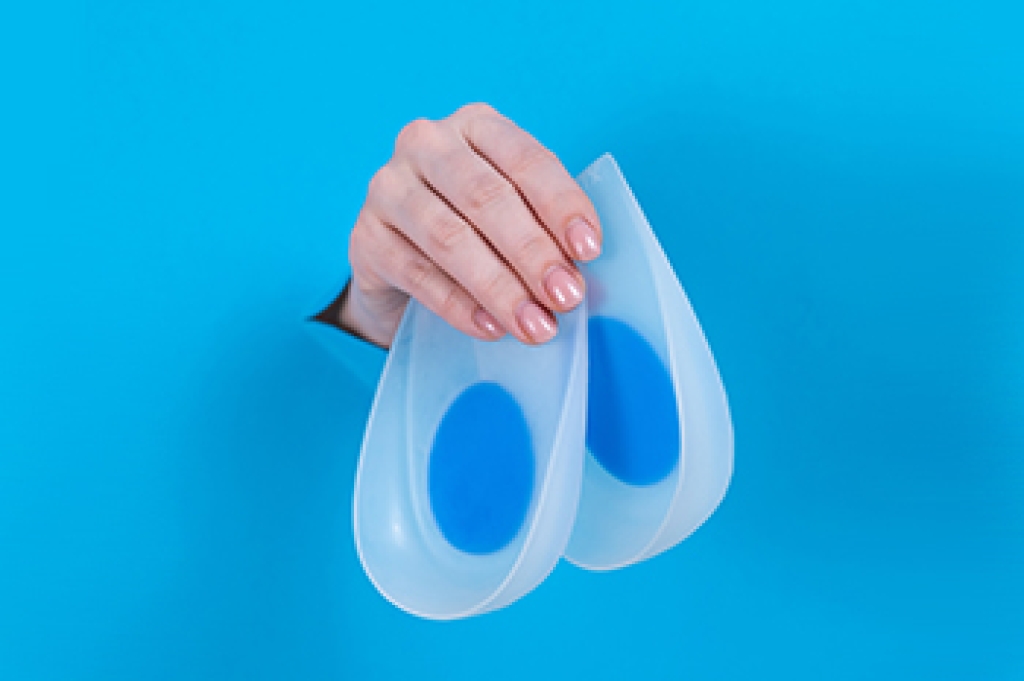
Plantar fasciitis causes pain where a strong band of tissue runs along the bottom of the foot. This band, called the plantar fascia, connects the heel bone to the toes. Repeated strain can irritate it. Pain is sharpest with the first steps after resting, and can return after long periods of standing. Running, a sudden increase in activity, and shoes that lack proper support can place added stress on the area.
Heel cups are small inserts that sit beneath and around the heel inside a shoe. They are usually made of gel, foam, or firm plastic. By cradling the heel, a cup can provide cushioning and help spread pressure across a wider area. It can also raise the heel slightly, which may reduce tension on the plantar fascia. However, heel cups do not correct every cause of plantar fasciitis. The wrong size can slide, crowd the shoe, or change how the foot rests. A heel cup should fit securely in a supportive shoe without forcing the toes forward. Patients should also understand that a softer product is not always the best choice. The right amount of firmness depends on the foot, symptoms, and daily activities.
A podiatrist can determine whether a heel cup is appropriate by examining the heel and checking how the foot moves. The evaluation includes a review of when the pain began and which activities make it worse. The podiatrist can also rule out problems like a stress fracture, nerve irritation, or damage to the heel's natural padding. Treatment can include professionally selected heel cups, supportive shoe recommendations, or custom orthotics. A podiatrist can adjust these devices so they support the foot without creating pressure elsewhere. Follow-up visits allow the podiatrist to check progress and change the treatment plan when pain continues. If you have heel pain, it is suggested that you schedule an appointment with a podiatrist for a diagnosis and appropriate treatment.
Plantar fasciitis is a common foot condition that is often caused by a strain injury. If you are experiencing heel pain or symptoms of plantar fasciitis, contact David Carmack, DPM from Texas. Our doctor can provide the care you need to keep you pain-free and on your feet.
What Is Plantar Fasciitis?
Plantar fasciitis is one of the most common causes of heel pain. The plantar fascia is a ligament that connects your heel to the front of your foot. When this ligament becomes inflamed, plantar fasciitis is the result. If you have plantar fasciitis you will have a stabbing pain that usually occurs with your first steps in the morning. As the day progresses and you walk around more, this pain will start to disappear, but it will return after long periods of standing or sitting.
What Causes Plantar Fasciitis?
There are some risk factors that may make you more likely to develop plantar fasciitis compared to others. The condition most commonly affects adults between the ages of 40 and 60. It also tends to affect people who are obese because the extra pounds result in extra stress being placed on the plantar fascia.
Prevention
There are a variety of treatment options available for plantar fasciitis along with the pain that accompanies it. Additionally, physical therapy is a very important component in the treatment process. It is important that you meet with your podiatrist to determine which treatment option is best for you.
If you have any questions, please feel free to contact our office located in Marble Falls, TX . We offer the newest diagnostic and treatment technologies for all your foot care needs.
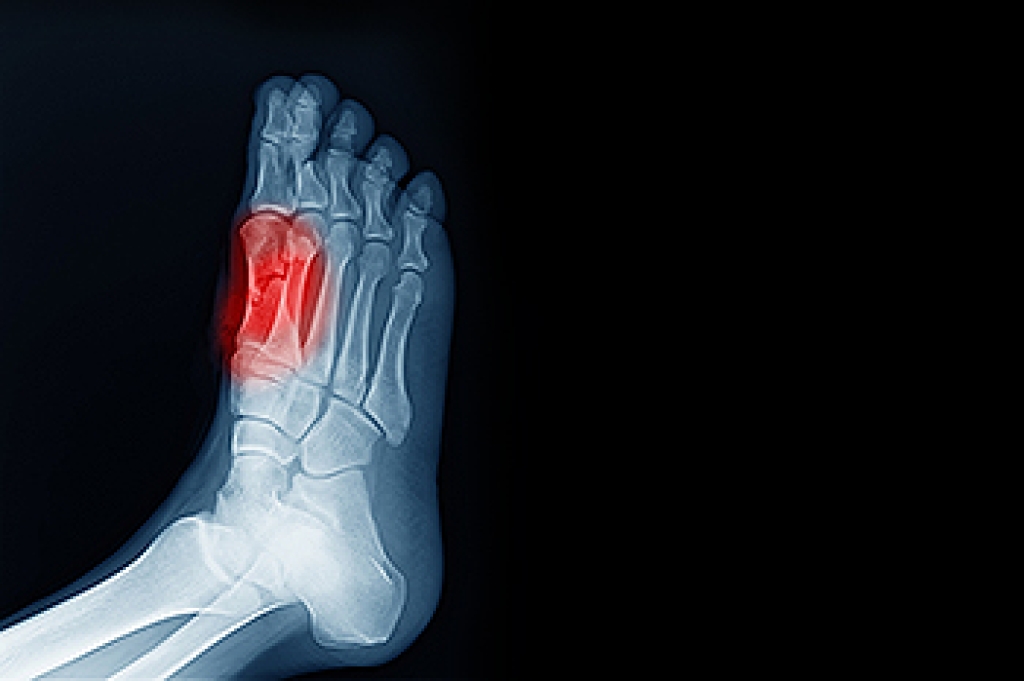
Two pea-sized bones, called sesamoids, sit beneath the big-toe joint, within the tendons at the ball of the foot. They work like small pulleys, helping the tendons move smoothly and supporting the foot as it pushes off the ground. Sesamoiditis develops when the tendons and tissues surrounding these bones become irritated. Pain usually begins gradually beneath the big toe and can worsen when walking, running, or bending the toe upward. The area can also become swollen or tender. Unlike a sesamoid fracture, which can cause sudden pain after an injury, sesamoiditis usually results from repeated stress.
Activities that place repeated pressure on the forefoot can raise the risk of sesamoiditis. Running, dancing, and sporting activities that require quick bursts of movement are frequent causes. High-heeled shoes can shift extra weight toward the ball of the foot. Shoes that lack proper support or cushioning can also increase pressure beneath the big toe. A podiatrist can carefully examine the location of the pain and check how the big toe moves. X-rays can help rule out a fracture. When the cause remains unclear, other imaging tests can reveal tissue irritation or a small stress injury.
A podiatrist focuses on reducing pressure, controlling painful movement, and allowing the irritated area to recover. One treatment option is wearing cushioned or stiff-soled shoes. In addition, custom orthotics can improve weight distribution and reduce stress beneath the big-toe joint. Special padding can protect the sesamoids, and taping can keep the toe from bending too far. In some cases, a removable brace may be recommended. Surgery is rarely considered, but it can be an option when persistent symptoms do not respond to other care. Early diagnosis is important because a fracture and sesamoiditis can feel similar but require different treatment plans. If you have symptoms of sesamoiditis, it is suggested that you schedule an appointment with a podiatrist for a diagnosis and appropriate treatment.
Sesamoiditis is an unpleasant foot condition characterized by pain in the balls of the feet. If you think you’re struggling with sesamoiditis, contact David Carmack, DPM of Texas. Our doctor will treat your condition thoroughly and effectively.
Sesamoiditis
Sesamoiditis is a condition of the foot that affects the ball of the foot. It is more common in younger people than it is in older people. It can also occur with people who have begun a new exercise program, since their bodies are adjusting to the new physical regimen. Pain may also be caused by the inflammation of tendons surrounding the bones. It is important to seek treatment in its early stages because if you ignore the pain, this condition can lead to more serious problems such as severe irritation and bone fractures.
Causes of Sesamoiditis
Treatment for sesamoiditis is non-invasive and simple. Doctors may recommend a strict rest period where the patient forgoes most physical activity. This will help give the patient time to heal their feet through limited activity. For serious cases, it is best to speak with your doctor to determine a treatment option that will help your specific needs.
If you have any questions, please feel free to contact our office located in Marble Falls, TX . We offer the newest diagnostic and treatment technologies for all your foot care needs.

Trail running can be peaceful, exciting, and demanding on your feet. The right trail-running shoes can improve comfort and control when pavement gives way to dirt. Road-running shoes can work on a smooth park path, but they are not built for loose gravel, roots, or sharp rocks. Trail shoes have deeper tread for grip, stronger materials for protection, and a firmer base for stability. Some also have a rock plate, which is a thin layer inside the sole that shields the foot from pointed objects. It is important to choose a shoe that matches the ground you expect to cover.
Fit matters as much as trail type. Your toes need room to spread, yet your heel should stay secure on climbs and descents. A shoe that is too short can press the toes against the front, especially when running downhill. A loose shoe can let the foot slide and create painful rubbing. Cushioning should feel comfortable without making the shoe unstable. Heel-to-toe drop means the height difference between the heel and forefoot. A podiatrist can explain which drop, support level, and shoe shape best fit your feet and running style.
Light-trail shoes suit packed dirt and well-kept paths. Rugged-trail shoes provide more grip and protection on rocky or muddy routes. Off-trail models are built for rough ground where stability matters most. No shoe prevents every injury, so notice pain, numbness, or repeated blisters. A podiatrist can examine your feet, study how you run, and identify problems that affect shoe choice. The foot doctor can also recommend inserts made for your needs and guide a safe return to running after an injury. Bring your current running shoes because their wear pattern can offer useful clues. If you have foot pain after trail running, it is suggested that you schedule an appointment with a podiatrist for effective treatment tips and guidance on what shoes to purchase.
You should always make sure your running shoes fit properly in order to avoid injury. For more information, contact David Carmack, DPM from Texas. Our doctor can provide the care you need to keep you pain-free and on your feet.
Choosing the Right Running Shoe for Your Foot Type
Improper shoe sizing can cause a myriad of problems for your feet. Shoes that don’t fit you properly can lead to muscular imbalances in your body, which can result in foot, knee, and hip injuries.
Tips for Finding the Right Running Shoe
If you have any questions, please feel free to contact our office located in Marble Falls, TX . We offer the newest diagnostic and treatment technologies for all your foot care needs.

Falls are a major concern for seniors because balance, vision, and reaction time can change with age. A fall happens when a person unexpectedly loses balance. Symptoms after a fall may include foot or ankle pain, swelling, and difficulty walking. Risk factors include poor balance, medication effects, and vision changes. Falls can also cause sprains, fractures, and other injuries that may affect mobility and independence.
Many household hazards can increase fall risk. Poor lighting can make steps, thresholds, and obstacles difficult to see. Slippery surfaces in bathrooms, kitchens, or entryways may cause the feet to lose traction. Additionally, loose area rugs can shift unexpectedly underfoot. Seniors should keep walkways clear and improve lighting throughout the home. Wearing proper footwear with slip-resistant outsoles can improve stability. Shoes should fit securely and provide adequate room for the toes without slipping at the heel.
A podiatrist can evaluate foot and ankle pain after a fall and check for injuries that may not be obvious. Depending on the findings, treatment may include a physical examination, supportive bracing, or activity recommendations. A podiatrist may also recommend footwear changes or custom orthotics to improve support and balance. Common conditions after falls include ankle sprains, stress fractures, and tendon injuries. Early treatment can help control symptoms and support a safer return to normal activity.
Seniors should seek professional evaluation when pain, swelling, or bruising continues after a fall. Ignoring symptoms can allow an injury to worsen and may increase the chance of another fall. A podiatrist can identify contributing foot conditions and develop a personalized treatment plan. Regular foot care, wearing safe footwear, and a safer home environment can help seniors remain active and confident. If you have foot or ankle pain from falling, it is suggested that you consult a podiatrist for an accurate diagnosis and appropriate treatment.
Preventing falls among the elderly is very important. If you are older and have fallen or fear that you are prone to falling, consult with David Carmack, DPM from Texas. Our doctor will assess your condition and provide you with quality advice and care.
Every 11 seconds, an elderly American is being treated in an emergency room for a fall related injury. Falls are the leading cause of head and hip injuries for those 65 and older. Due to decreases in strength, balance, senses, and lack of awareness, elderly persons are very susceptible to falling. Thankfully, there are a number of things older persons can do to prevent falls.
How to Prevent Falls
Some effective methods that older persons can do to prevent falls include:
Falling can be a traumatic and embarrassing experience for elderly persons; this can make them less willing to leave the house, and less willing to talk to someone about their fears of falling. Doing such things, however, will increase the likelihood of tripping or losing one’s balance. Knowing the causes of falling and how to prevent them is the best way to mitigate the risk of serious injury.
If you have any questions, please feel free to contact our office located in Marble Falls, TX . We offer the newest diagnostic and treatment technologies for all your foot care needs.
Connect With Us
